
A collaboration with The New School & the European Democracy Institute
 
Year: <span>2020</span>

We Will Be Lucky if Biden Actually Becomes the President-Elect

Written by:

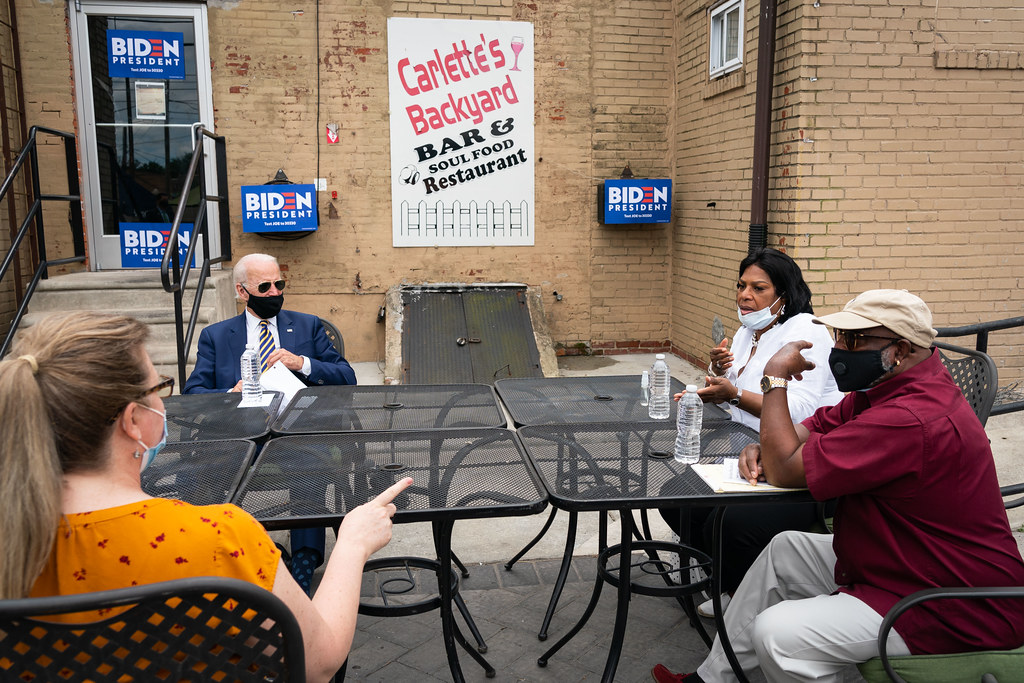
But this election is not over, and even the best case scenario is pretty dismal Photo credit: ‘Biden For President’ I have never thought this would be easy. I always knew that this was not a normal election, and that it would be deeply contentious during and after “Election Day.” The day before Election Day, i.e., two days ago, I published a piece articulating what I have been …

Feel Better, Defeat Trump!

Written by:

Some practical tips for putting your election emotions to good work Photo credit: ‘With Good Reason Radio’ Many of us are finding ourselves quite apprehensive, even fearful, because of what is happening with the 2020 elections and in American political life. There is value, I want to argue, in taking a moment to analyze those feelings, the role they play in the elections and what we can do …

Historical Analogies and Separated Families

Written by:

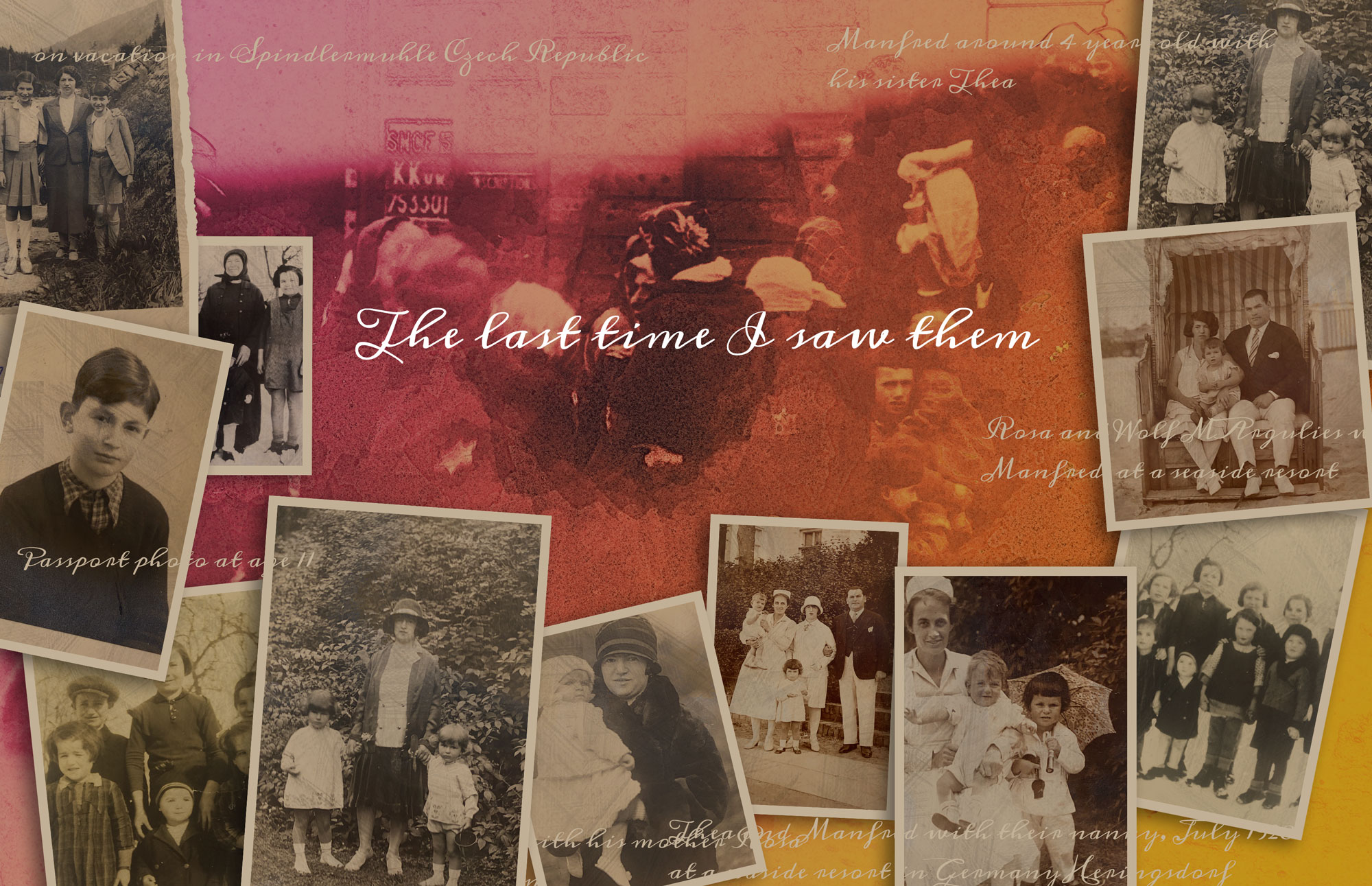
The Nazis tore apart Jewish families. They pursued the work of separating families because they perceived Jewish lives as having no value, and their family unit as carrying no integrity and sanctity. The history of family separation is a story of unspeakable emotional pain, as family members often bid a permanent farewell to their loved ones in confusing and terrifying circumstances. It is also a story that sheds …

After Trump

Written by:

Towards democracy and social justice Donald Trump will lose, assuredly. Joe Biden will win, decisively. I haven’t been so sure of election results since 2016. That, of course, is the problem. And the problem is grave. In 2016, we were worried about what Trump’s victory might mean. Now we know that things have become much worse than most of us ever imagined, and not only for us in …

Universalizing Racism in Public Schools in 2020

Written by:

I am a first-year teacher at a middle school outside of Baltimore. My school is one of the most diverse – and therefore most low income, underrepresented, and overpoliced – schools in my county. Many parents in this Baltimore district use false addresses just to remove their children from the city school system, and our middle school is a close option. It’s not hard to understand why the children in …

Empathy

Written by:

The only avenue in which humans can understand tragedy One of the hardest things about learning the stories of people who were in concentration camps in the Holocaust is that you feel like, especially for an American teenager, that you can never truly grasp what they went through. Even though I have family who were killed in the Holocaust, there always seemed to be a disconnect for me, …

Memory’s Fragile Thread

Written by:

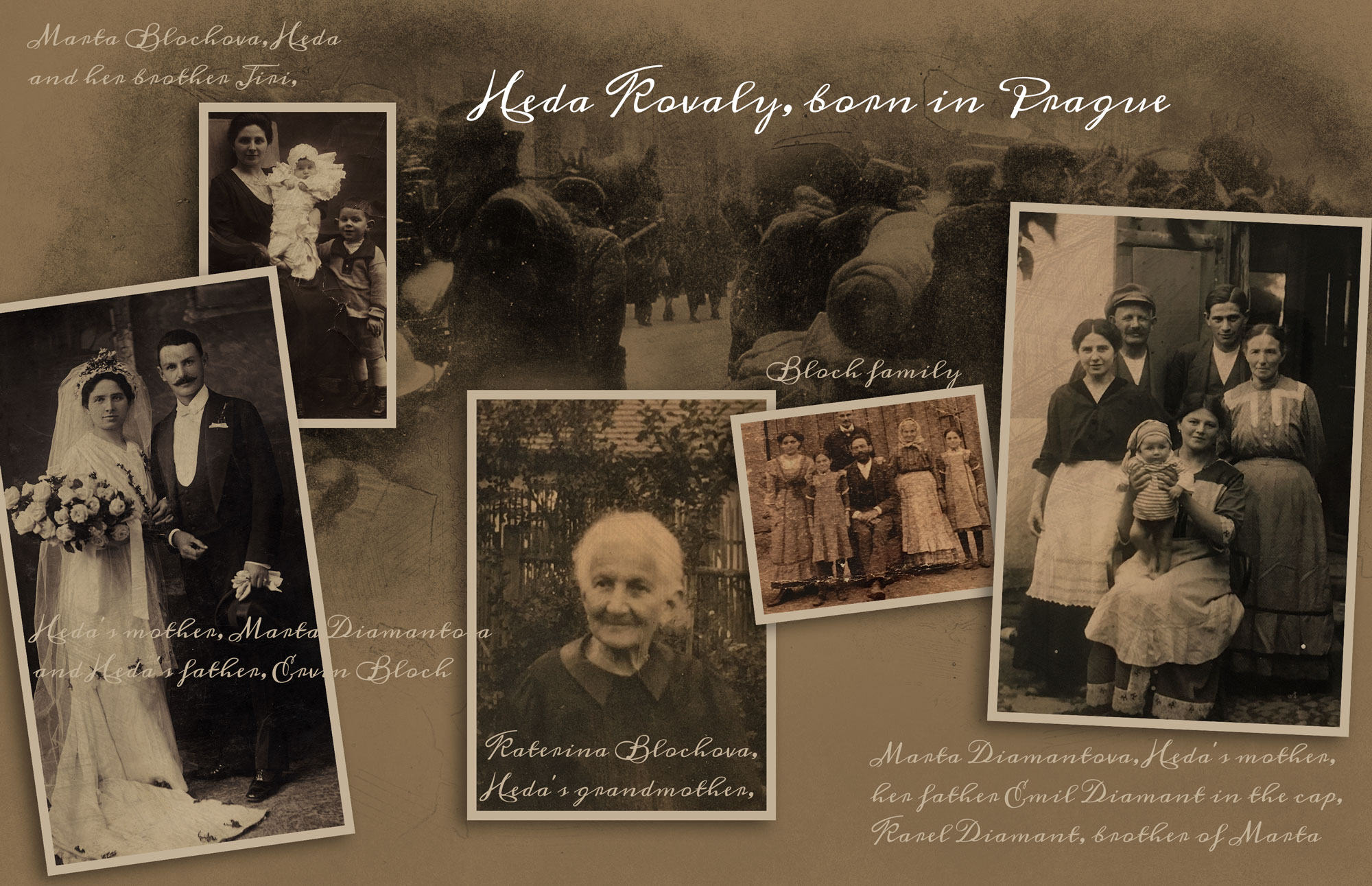
Judaism’s view of – and response to – family separation as theological crisis ב”ה Heda Kovaly’s memory of the day in spring 1941 when she was sent to the Gross-Rosen labor camp focused on an evanescent memento of her murdered mother: “My mother, I couldn’t think of anything except my mother, my mama, and I remember sitting on the ground and held out my hand, and there was …

On the Uses and Disadvantages of Historical Comparisons for Life

Written by:

(Vom Nutzen und Nachteil historischer Vergleiche für das Leben) In 1946, a twelve-year-old Jewish girl named Krystyna arrived in New York City from Poland. Her survival had been improbable. In the Warsaw Ghetto her mother had dressed her up in high heels and a kerchief so that they would be taken for forced labor together. Krystyna had known that deportation meant death. She imagined her friends as having …

Child Separation

Written by:

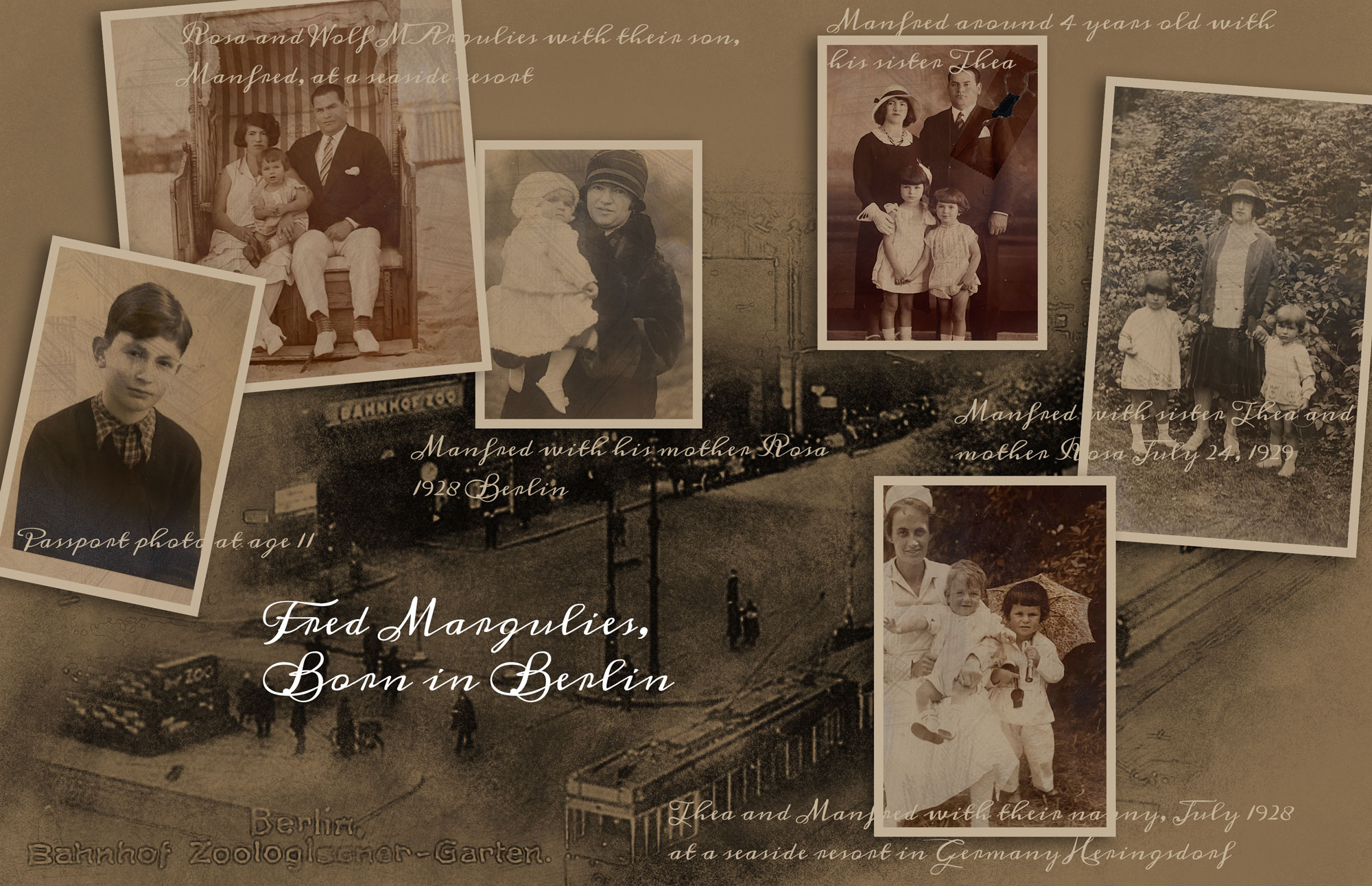
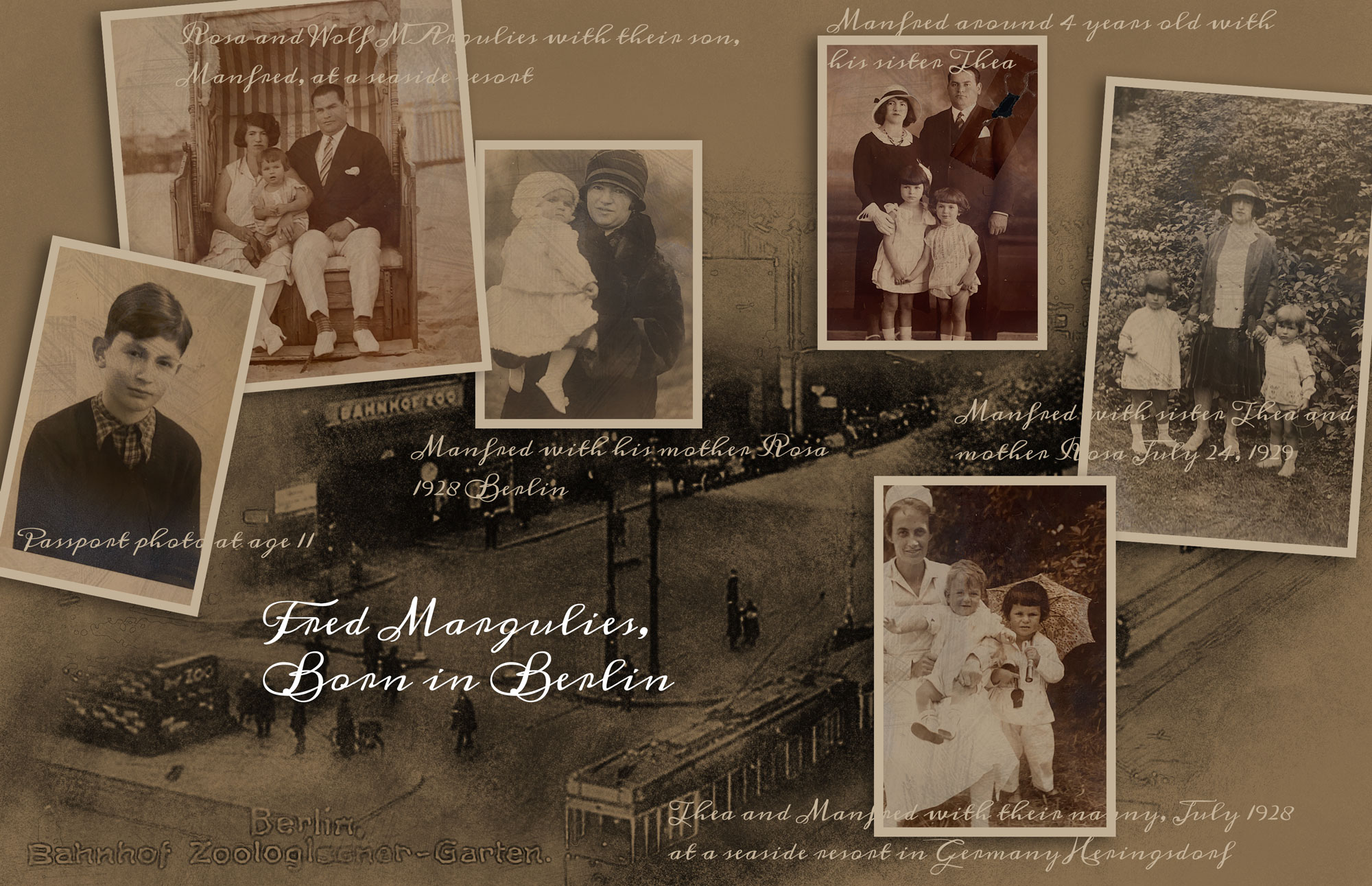
A documentary poem reacting to a film about the separation of children from their parents in Nazi camps The poem in Romanian follows the English text. The child Fred is told by his mother: “You must not look back.”And he did not look back – and he survived – and his mother did not.Orpheus was not as strong you were, Fred – he looked back, the poor thing.On …

Being Ahead of All Departures

Written by:

After I had seen the film once, and then once more, I was overcome with a sadness, a deep sadness that settled over me like a mist. The next morning, I was drawn to a sentence in Hemingway’s A Moveable Feast.  In Paris in the 1920s, Hemingway has returned from the bookstore run by the lovely Sylvia Beach, who is very nice to him, letting him borrow books …