

Time to Get Serious About Defending Democracy in the Indo-Pacific
On July 31, 2025, news erupted that Taiwan’s President “William” Lai Ching-te had been denied entry to the United States by a Trump administration eager to curry favor with China. As his predecessors had done with regularity, President Lai planned to stop-over in America enroute to visiting allies in Latin America, but the Trump White House slammed the door shut.
That symbolic slap in the face was confusing, for in June, Secretary of Defense Pete Hegseth, speaking before the annual Shangri La Dialogue in Singapore, delivered the most robust U.S. declaration of support for Taiwan since the early days of the Cold War. Ripping China’s imperial ambitions in the Indo-Pacific and rallying regional allies to the cause of democracy, Hegseth declared, “President Trump has said that Communist China will not invade Taiwan on his watch.”
So what is the Trump administration’s policy toward Taiwan? Will the Trump White House defend the island democracy against China’s escalating military encroachments or will haggling over tariffs lead to Washington betraying Taipei?
U.S. policy toward Taiwan has wobbled along for decades on the notion of “strategic ambiguity,” a form of intentionally non-committal diplomacy meant to sow confusion about America’s red lines, hence deterring China from attacking Taiwan and Taiwan from declaring independence. Managing the status quo in the Taiwan Strait through this sleight of hand worked, yet it left all parties frustrated. [On the rhetorical history of “strategic ambiguity,” see Stephen J. Hartnett, A World of Turmoil: The United States, China, and Taiwan in the Long Cold War (Michigan State University Press, 2021)]. Far-right figures in Trump-land, disgusted by a policy that requires nuance and restraint, have called for “the end of ambiguity” in favor of clarity, even at the risk of angering China. Hegseth’s speech demonstrated what such clarity looks like, which triggered vitriolic replies from Beijing and sighs of relief in Taipei. I was there last month. When I interviewed a top official at the Ministry of Foreign Affairs (who has requested anonymity for the purposes of national and personal security) and asked him about the Hegseth speech, he was thrilled, for the speech offered a non-waffling endorsement of Taiwan’s independence and security.
Nonetheless, as proof of the ever-vacillating nature of the Trump White House, the travel denial from July means Hegseth’s declaration of strategic clarity from June feels tenuous, perhaps even disingenuous. This points to one of the foreign policy dilemmas of dealing with a president trained in the norms of Reality TV: Monday’s promise becomes Tuesday’s denial, which morphs into a slapdash plan on Wednesday before getting walked back into oblivion on Thursday. By Friday the president is off on another tangent, one media-produced crisis replaced by more attention-grabbing whoppers.
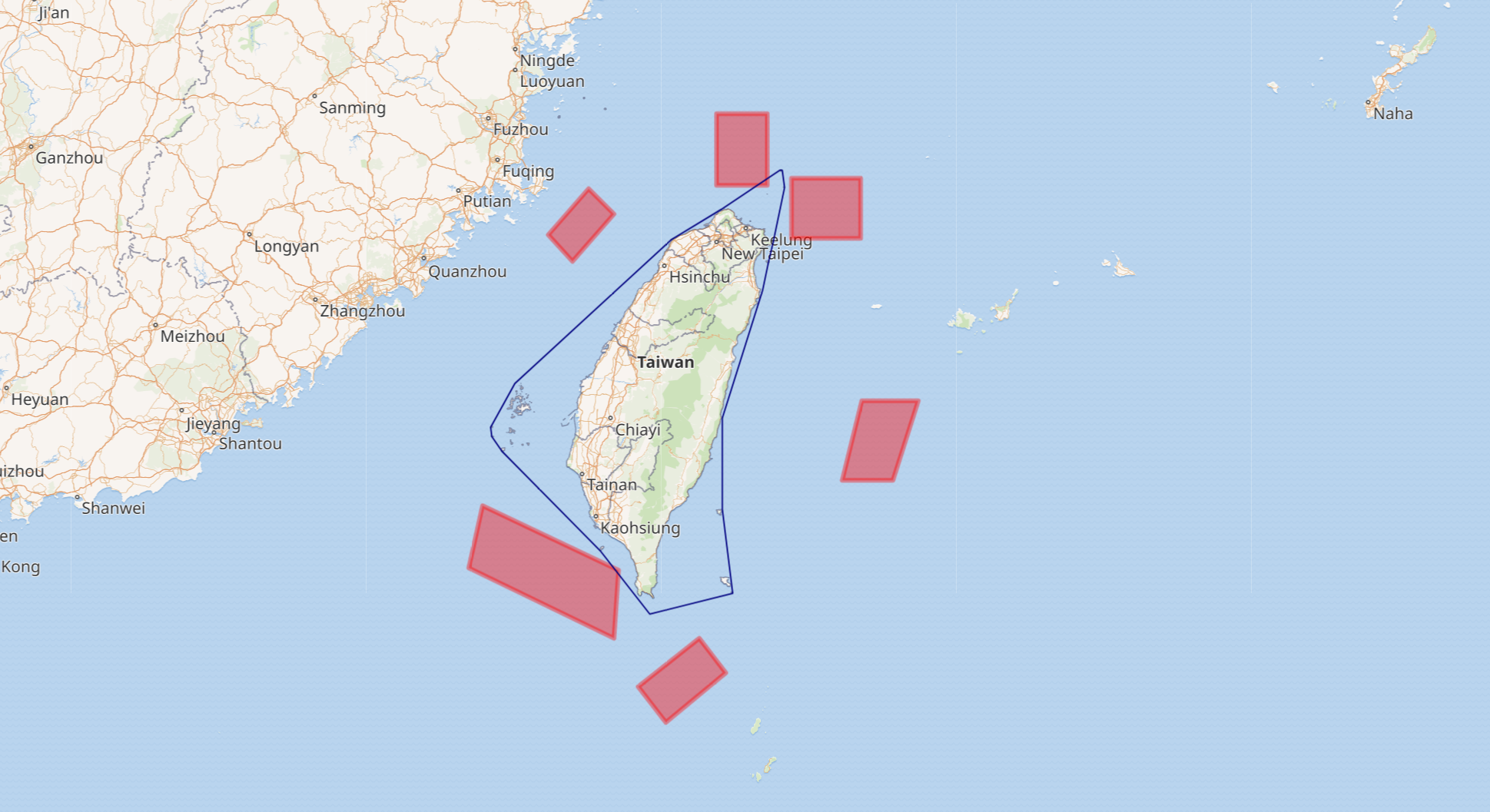
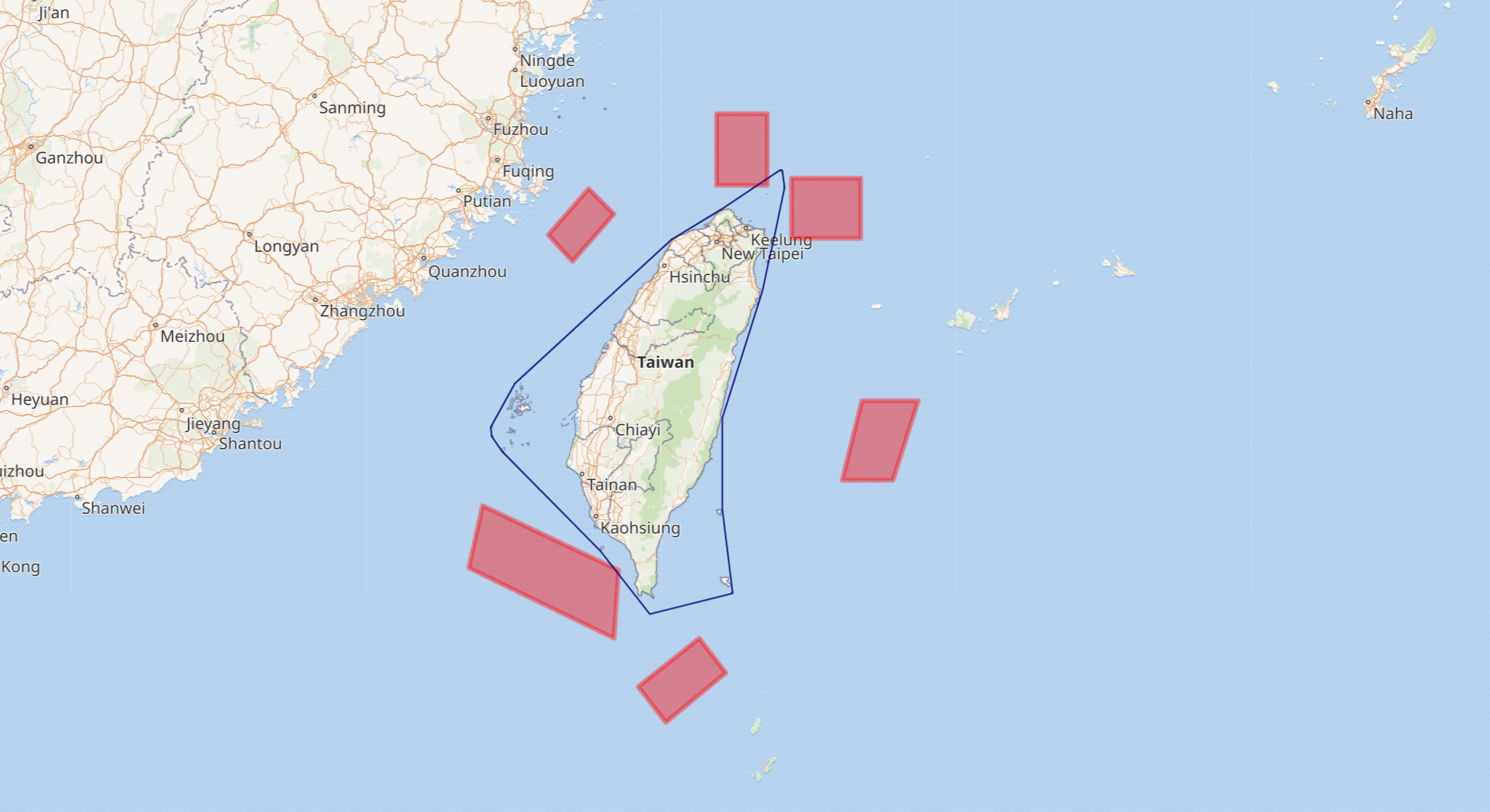
Some of Trump’s made-for-media-spectacle foreign policy follies seem comical—no one thinks America is going to invade Canada or annex Greenland—meaning critics can be forgiven for growing jaded in the face of the White House’s meanderings. But the Taiwan situation is different. Each day, dozens of Chinese fighter jets and long-range bombers encircle the island. Dozens of naval vessels harass Taiwan’s shipping lanes. Practicing its targeting patterns, the Chinese People’s Liberation Army has launched hundreds of missiles, some of them landing in Taiwanese waters, others flying over the island. PLA-sponsored trolls launch cyber-attacks all day, every day. While Trump preens and panders, China is preparing to invade Taiwan.
In fact, when I visited Beijing this summer, I was struck by how the Party’s propaganda machinery was humming along in high gear, sowing the seeds of public support for war. The ultranationalist Global Times printed a press release wherein PLA official Zhang Xiaogang blamed tension in the Taiwan Strait on the “extremely malicious intentions of the U.S. to mislead Taiwan into the flames of war.” Repeating one of the PLA’s long-standing rhetorical maneuvers, the spokesperson referred not to Taiwan’s democratically elected government but to “Taiwan independence separatist forces.” As for Hegseth’s speech, the Chinese Ministry of Foreign Affairs resorted to one of its long-standing lines, saying the Secretary “touted a Cold War mentality for bloc confrontation, vilified China with defamatory allegations, and falsely called China a ‘threat’.” To hear the CPC tell it, the free and independent nation of Taiwan is a renegade province, a breakaway island of terrorists—egged on by the warmongering United States—plotting to split the great Chinese motherland. In the face of this rebellion, so Beijing’s thinking goes, launching daily military threats amounts to restraint, a paternal show of force meant to induce clearer thinking on the part of the Taiwanese separatists and their imperialist puppeteers in Washington.
While Beijing seems blind to the fact that its threats only induce anger in Taiwan, Trump’s White House is equally incompetent in its treatment of Taiwan. In fact, following the suicidal deconstruction of expertise first launched under Elon Musk’s DOGE wrecking ball, the Trump administration has dismantled the National Security Council and fired the Asia experts at the State Department. This means a president who thinks drinking bleach can cure COVID is wandering the halls of the White House making foreign policy on the fly, not a veteran expert or contrarian opinion in sight. As Trump’s disastrous Anchorage visit with Putin makes clear, the American president is less interested in defending democratic allies than in cozying up to fellow authoritarians. You can imagine Xi Jinping’s advisers laughing themselves to sleep at night.
Considering that both Beijing and Washington seem committed to blundering along in mutual stupefaction, it is time for scholars, activists, and policy leaders to take a stand for defending one of Asia’s most vibrant and thriving democracies. Our friends, colleagues, and allies in Taiwan have built a free and independent nation-state—let’s make sure it stays that way by calling on China to stop its avalanche of threats and by demanding the Trump White House stop slumming with dictators.
