A collaboration with The New School & the European Democracy Institute
Issue: Issues
Issues gathers thematic collections of essays, reflections, interviews, and reports exploring contemporary challenges to democracy, human rights, political culture, and public life from diverse international perspectives.
Category: Issues
Issues gathers thematic collections of essays, reflections, interviews, and reports exploring contemporary challenges to democracy, human rights, political culture, and public life from diverse international perspectives.
Irit Dekel reflects on how the book’s subtitle, Confronting the Retreat of Democracy from the Radical Center, poses the potent tensions that are crucial for attempting to solve the problems at hand, suggesting that through his concept of the “radical center,” Goldfarb and the people who create this space create it consciously and arguing that it is radical to confront the retreat of democracy from a center that is plural and open.
Jeffrey C. Isaac suggests that this “paradoxical idea” (paradoxical, for: how can “radicalism” be “centrist?”) is best defended by Goldfarb himself, but that the answer goes something like this: however polarized the situation, and however righteous the cause, there is never a single way to act or to be. And so, there is always a need for there to be a space for thinking beyond oneself and one’s commitments, and for real dialogue—listening as well as speaking—as a constitutive feature of ethically justified action.
Siobhan Kattago notes that while “radical center” may sound like a contradiction in terms, the center that he envisions is radical because its roots can withstand the abyss of raging anger promoted by strongmen and clever algorithms, insofar as it is also an ethical space that grounds how we orient ourselves to one another and to the world. In this way, the radical center is similar to Krzysztof Czyzewski’s understanding of Sejny, as a small center of the world.
Javier Milei is one of the most eccentric figures in what Cas Mudde (2020) describes as the ‘fourth wave’ of far-right politics. This wave, characterized by the rise of radical ideas and their mainstream acceptance, is a global trend that is reshaping democracies. It is marked by the normalization of previously fringe ideas and agendas, creating new challenges for established political systems. Argentina, with its long history of …
The Democracy Seminar relaunches with a renewed global mission: to connect scholars and democrats in confronting today’s mounting threats to democracy. In this new salvo, focused on the “truth” of the New Right, scholars examine how knowledge production and manipulation fuel the rise of illiberal movements in countries such as Argentina, Brazil, and the United States—highlighting the urgent work needed to defend both democracy and truth.
Brazil and the United States have convergent and divergent trajectories regarding the relationship between democracy and the rise and contention of autocratic populist leaders. In both countries, leaders with this profile came to power—Donald Trump, in the United States, in 2017 (and again in 2025), and Jair Bolsonaro, in Brazil, between 2018 and 2022. This convergence, however, contrasts with the divergence in the response of political institutions, especially …
In March 2025, President Trump issued an executive order titled “Restoring Truth and Sanity to American History,” aimed at rooting out “corrosive ideology” in the Smithsonian institutions and other federal sites of memory and history. The order accuses sites like the National Museum of African American History and Culture (NMAAHC), which has extensive exhibits on slavery and segregation, of making a “concerted and widespread effort to rewrite our …
We relaunched the Democracy Seminar back in 2018 as a “worldwide committee of democratic correspondence” in the hope that “democrats of the world can learn from each other as we oppose the dark forces of our times.”
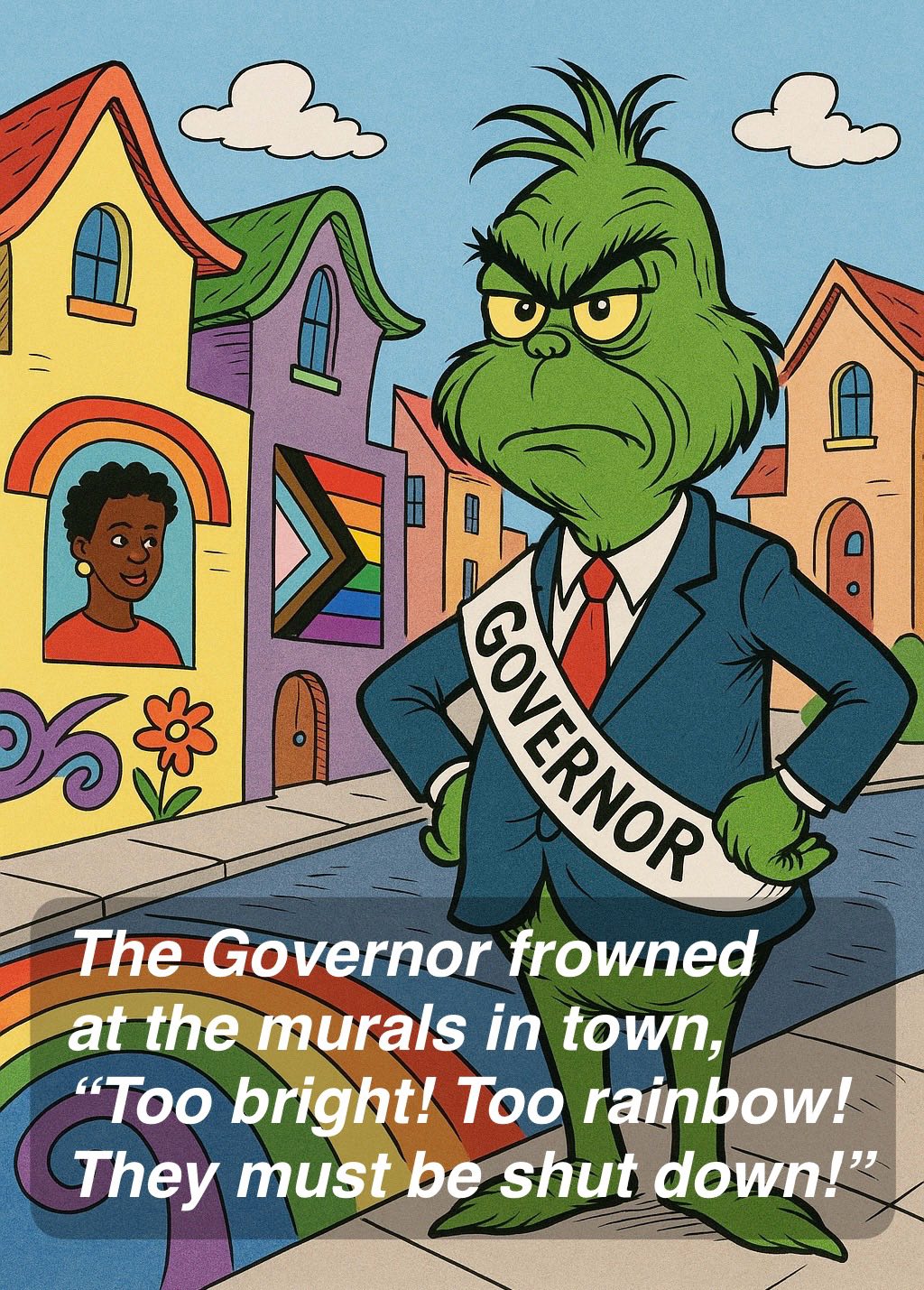
Pastors Ben Atherton-Zeman and Andy Oliver protested the state of Florida’s attempts to erase a “Black History Matters” asphalt mural outside the Woodson African American Museum in St. Petersburg. Florida governor Ron DeSantis had ordered a crew to remove the mural as “non-standard road art.”
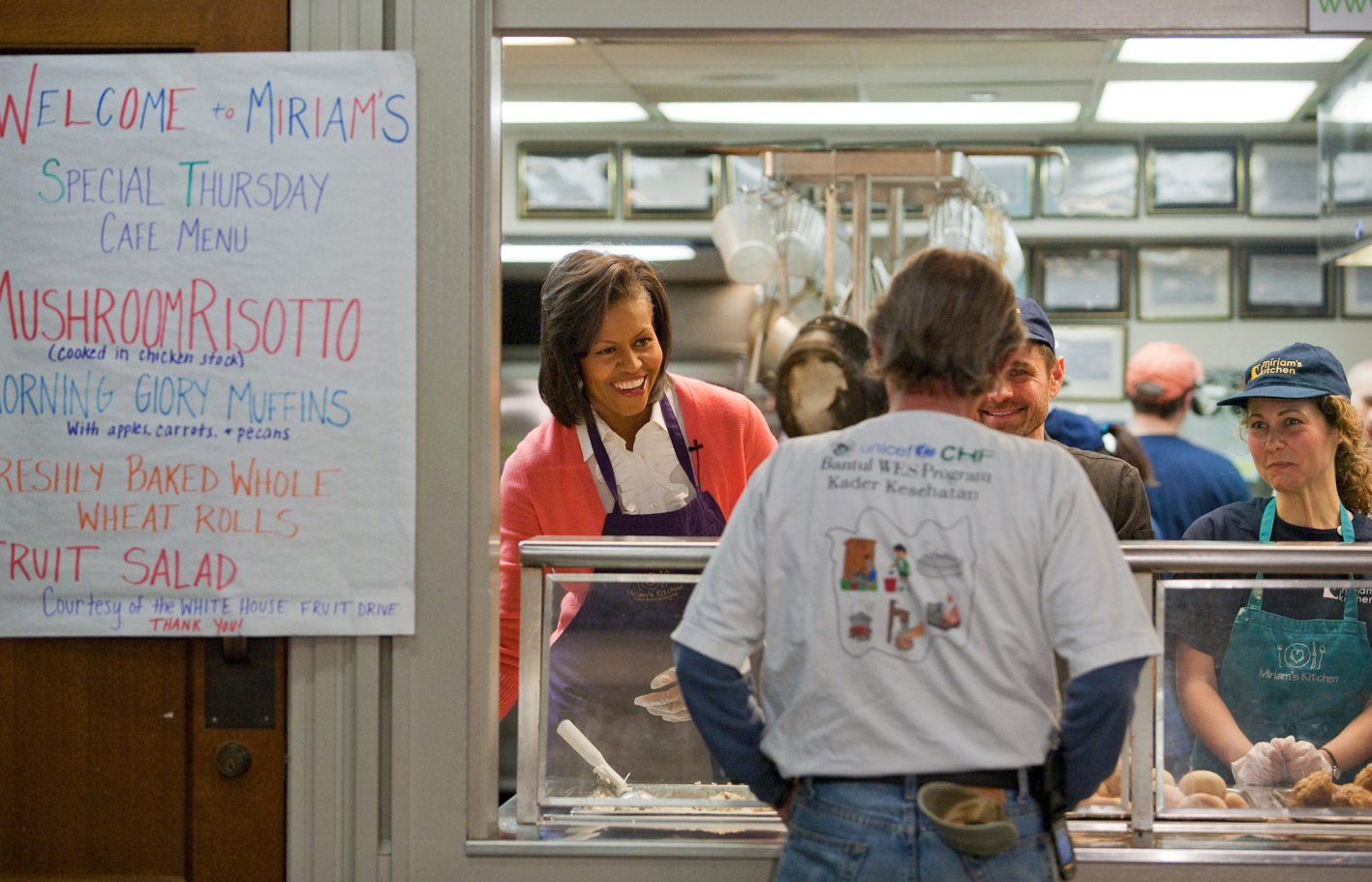
I live in Washington, DC and I am the Policy Director for a homeless services agency called Miriam’s Kitchen. Since Trump won the election, we have been involved in organization efforts to both plan for and then defend potential threats that the Trump Administration poses across numerous issue areas. The week after the election last November, I attended the first convening of Defend DC, a loose coalition of organizations that …