A collaboration with The New School & the European Democracy Institute
Issue: Dispatches from Ukraine
Firsthand reports and reflections from wartime Ukraine documenting everyday life, resistance, displacement, and survival amid Russia’s invasion. Through personal testimonies and frontline correspondence, the series captures the human realities of war.
Category: Dispatches from Ukraine
Firsthand reports and reflections from wartime Ukraine documenting everyday life, resistance, displacement, and survival amid Russia’s invasion. Through personal testimonies and frontline correspondence, the series captures the human realities of war.
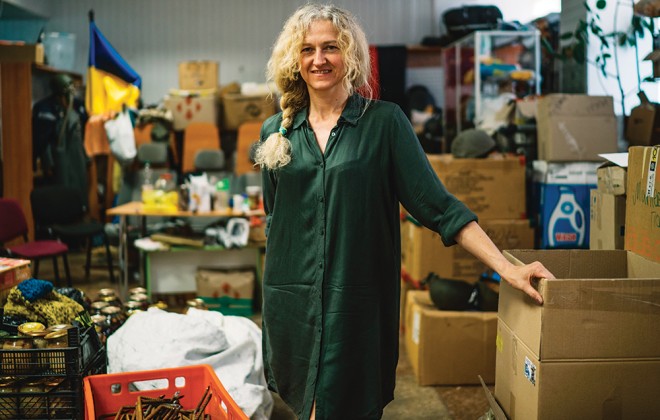
Half a year after the invasion began, Ukrainians continue to help their army, often putting up the last of their money and their remaining energy. More than half a year ago this was a fishing shop. Today, only mannequins and elements of decor are a reminder of its past. After February 24, the space was turned into a help center for soldiers. They can get all of …
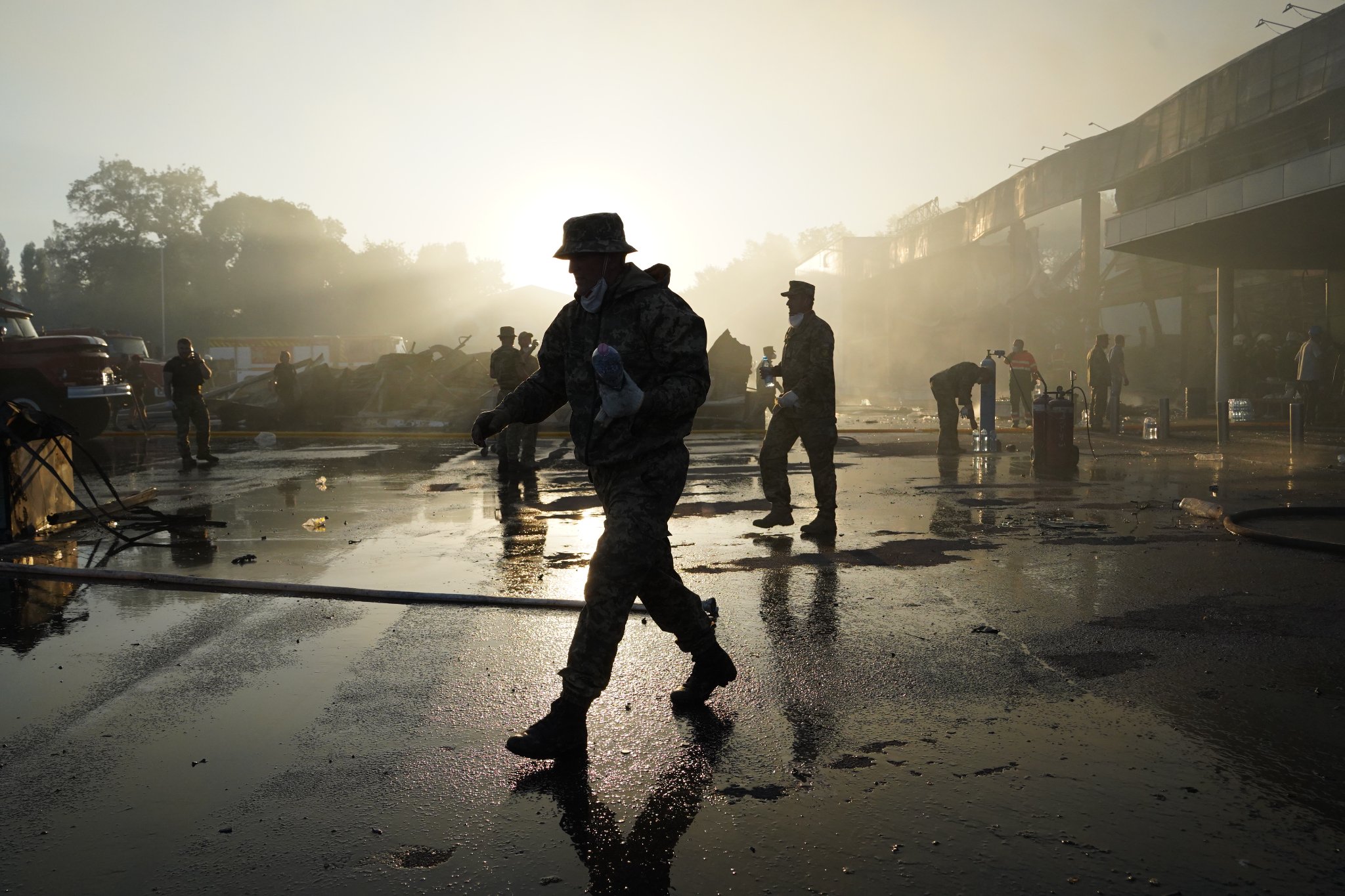
Russian rockets and missiles that destroy civilian and military facilities fall on the country every day. As calculated by the Ukrainian weekly Nowoje Wremia, Russia launched almost a hundred rockets towards Ukraine between June 25-27 alone. The city park seemed quiet on a sunny June afternoon. A few pedestrians—or at least not many of them can be seen in the video recorded by surveillance cameras published by the …
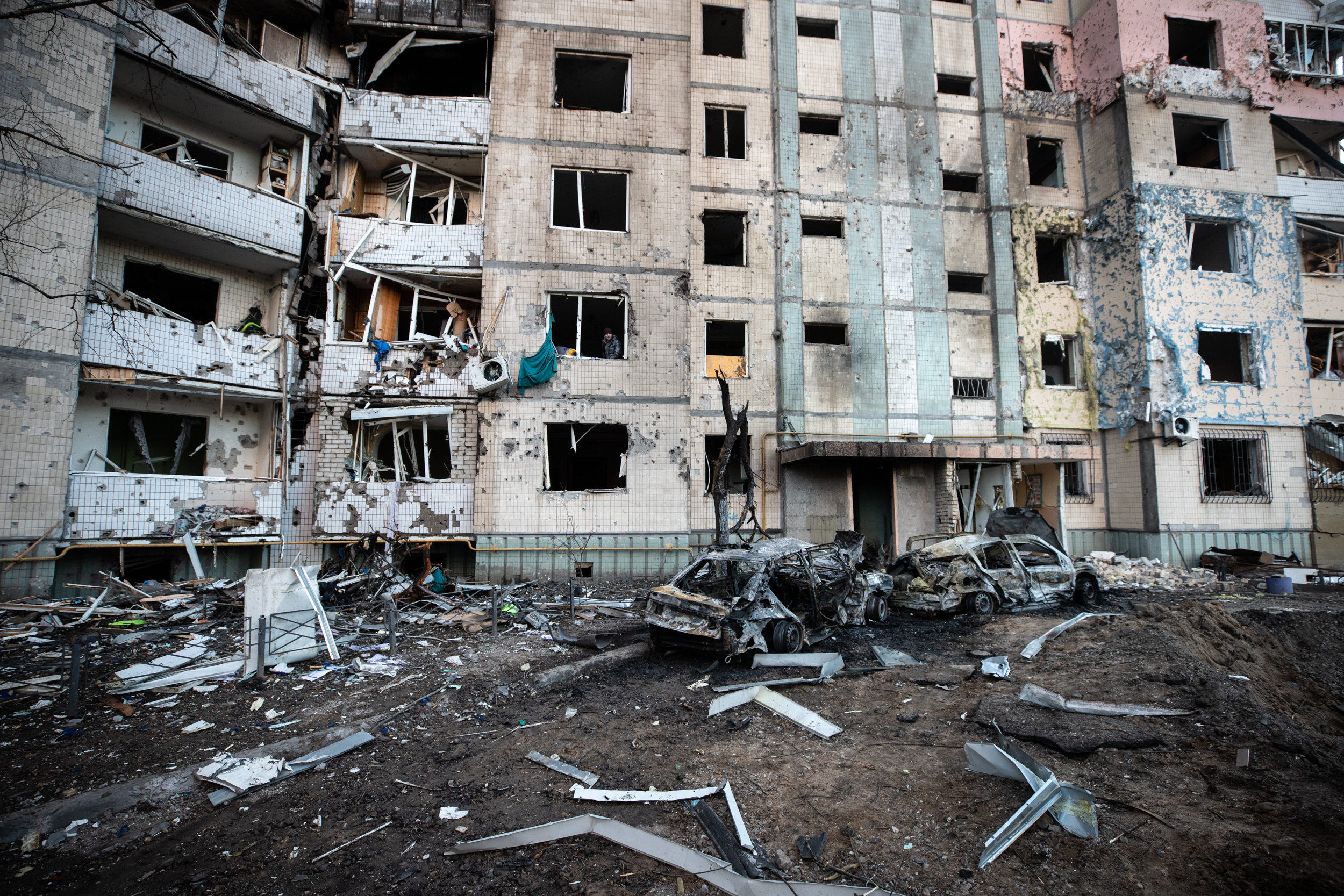
The Russian attack left traces on the Ukrainian capital and its inhabitants that will not disappear for years. Four months ago, a group of people stood in this courtyard as artillery cannonades were heard from afar. Lyudmila, 45, had not gone to work for a long time, so she did not see this with her own eyes. She worked in a small grocery store where, apart from …
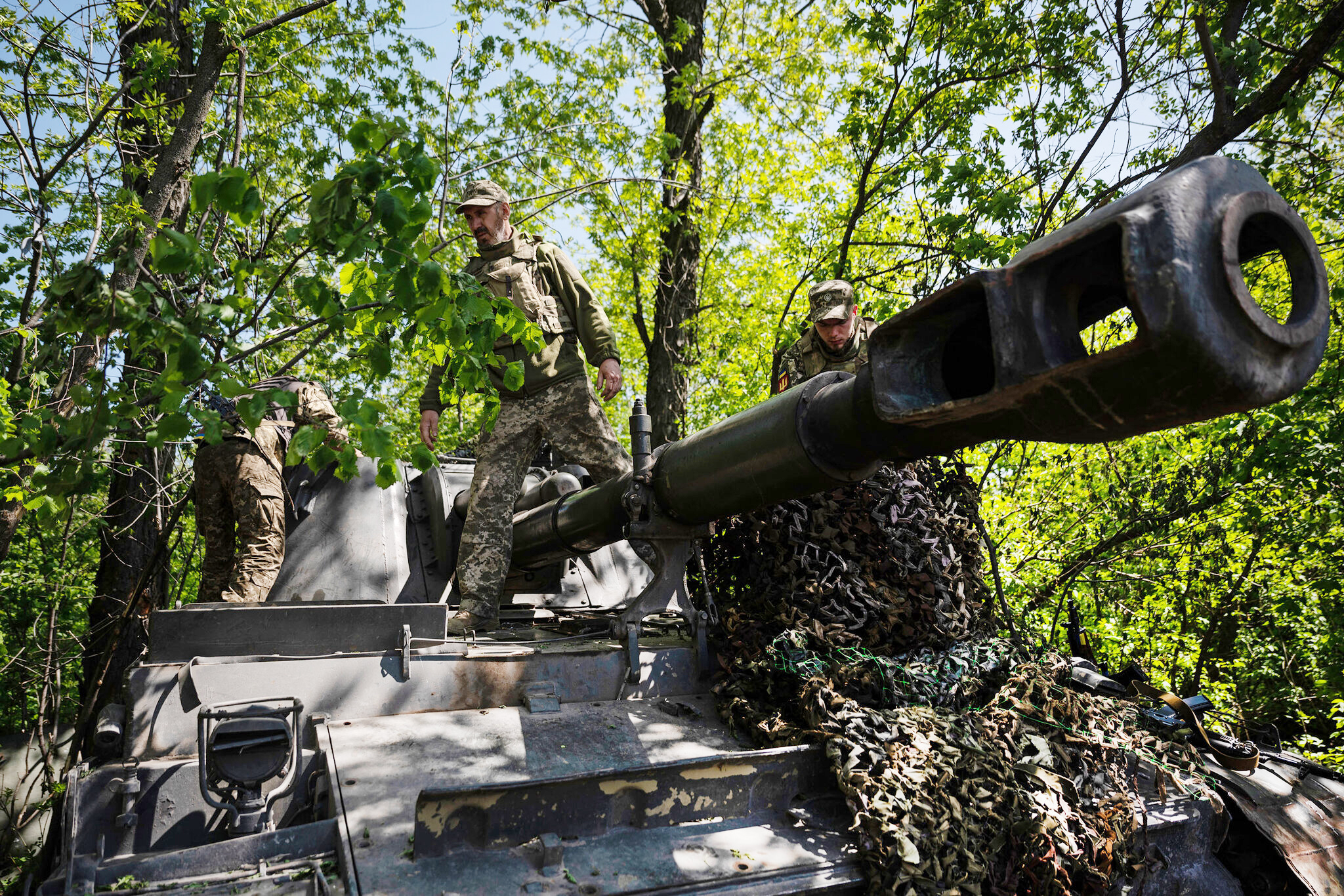
The Russian army is trying to cut off Donbas from the rest of Ukraine. Somewhere east of Kharkiv, on a now pivotal stretch of the front, Ukrainian troops are fighting to frustrate this plan. There are no extensive, deep and winding trenches here, which are associated with war fronts. You can only see pits carved into the ground, covered with branches and hay, scattered over the territory …
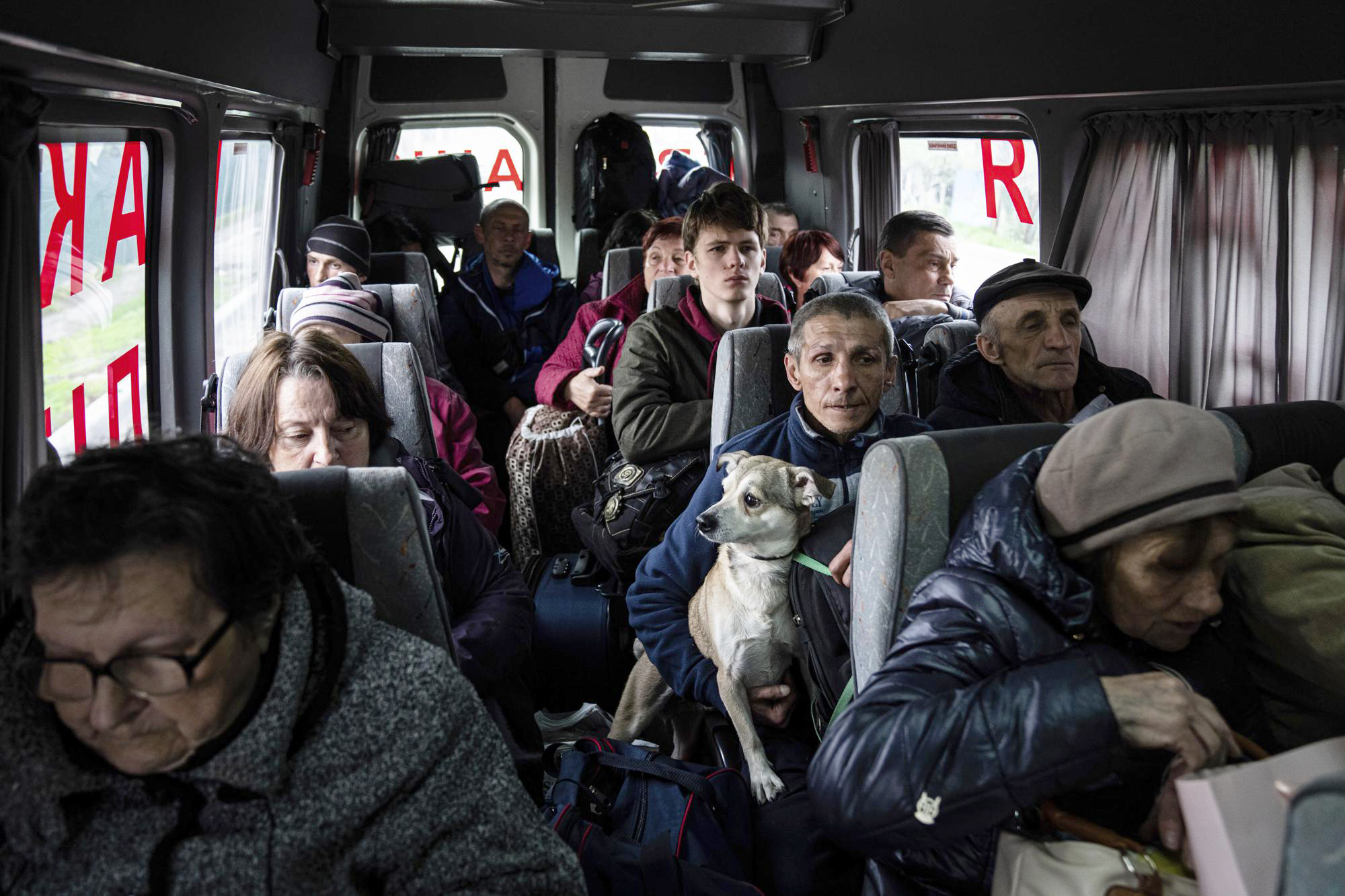
Lyman has become another city that the war has reached. Some residents are deciding to leave at the last minute. There are thirteen people standing by the corrugated steel supermarket hall. All of them have decided on the first day of May to leave Lyman, population 22,000, in Donetsk Oblast. On the road near the store lay branches cut by shrapnel. Two shots are heard, one whistle …
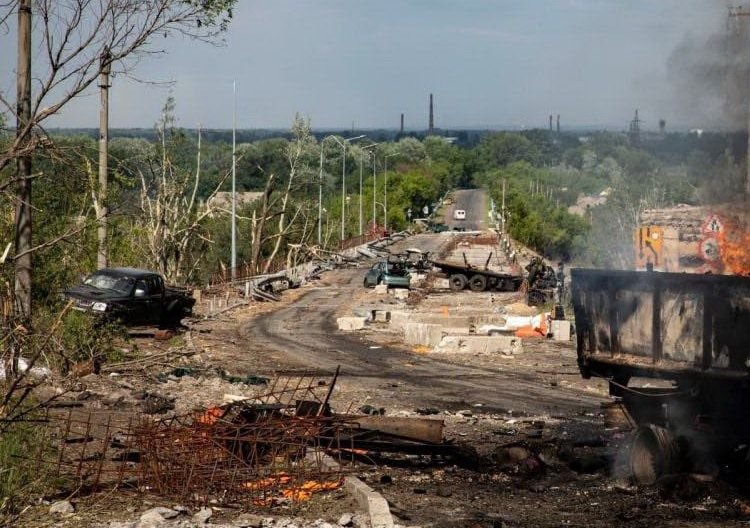
Ukrainian soldiers defend the last scrap of the Luhansk Oblast. Soon, it too may fall into the hands of the Russians. Thick black smoke rises above the area. A Ukrainian refinery, bombed by the Russians, has been burning for several days in the vicinity of Lysychansk. The refinery is surrounded by picturesque canola fields – canola, like sunflower, is one of the key crops for local agriculture. …
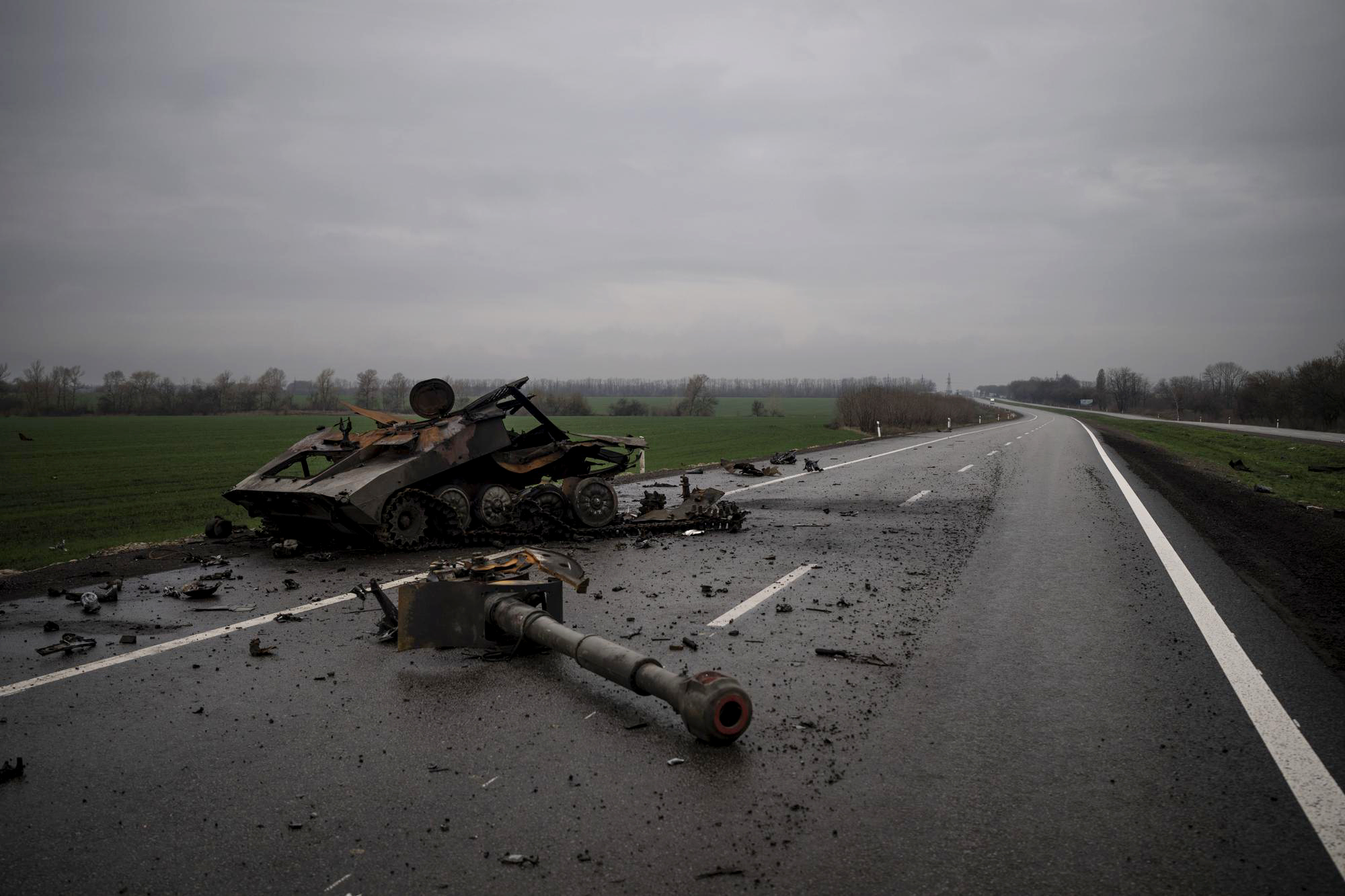
The Ukrainian army is taking back towns near Kharkiv. It may soon regain control over other sections of the border. A burnt out Akatsiya self-propelled gun stands in the middle of the road near a destroyed house, right next to a shell crater. The torn hull, the remains of the turret with a long heavy barrel, broken caterpillar tread and a pile of casings litter the ground. …
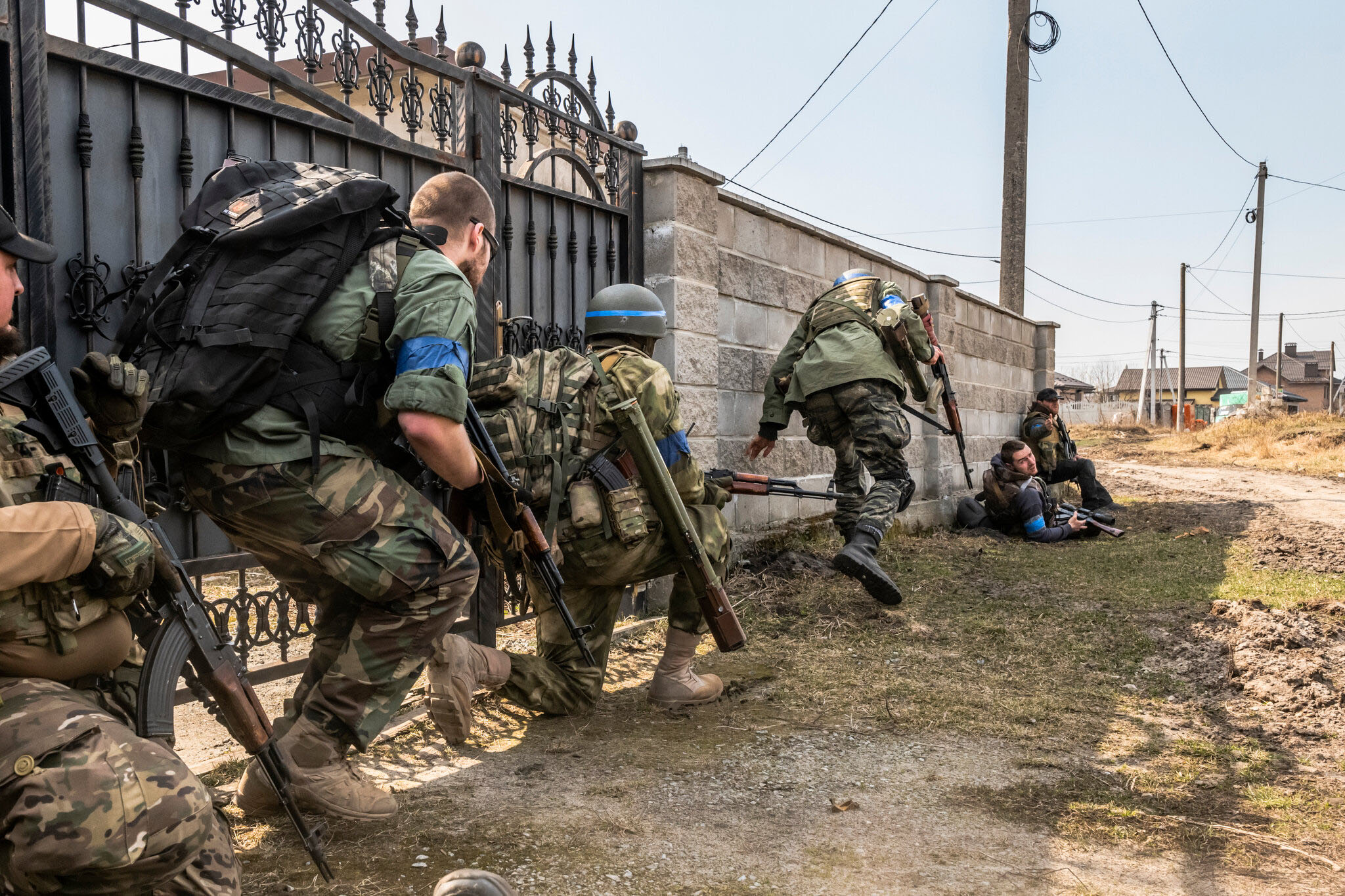
After calls by the President of Ukraine, volunteers from abroad have joined the fight against Russia. Among them are Poles. Not only Ukrainian soldiers are stationed in the dense forest, where the singing of birds mixes with the roar of artillery. One team is preparing positions. They dig deep. This is due to a Colombian who prepared for battle in the jungle. “His first time, he dug …
YAROSLAV HRYTSAK, Ukrainian historian: With his rockets, Putin is also destroying the pro-Russian orientation in Ukraine. Today it is associated with the war and its consequences. PAWEŁ PIENIĄŻEK: How did February 24 find you? JAROSŁAW HRYCAK: At six thirty in the morning, I was awakened by a phone call from Myroslav Marynovych [vice-rector of the Ukrainian Catholic University in Lviv, social activist – ed.]. He said that …
Despite pleas from their families, some people don’t want to leave the shelled city. Only when the war ends, or when they finally leave, will they feel what they lived through here. The phone rings more than forty times within three quarters of an hour. In addition, twenty four year old Tetiana Holubova receives countless instant messages; All from people needing help. Her number spread on the …