A collaboration with The New School & the European Democracy Institute
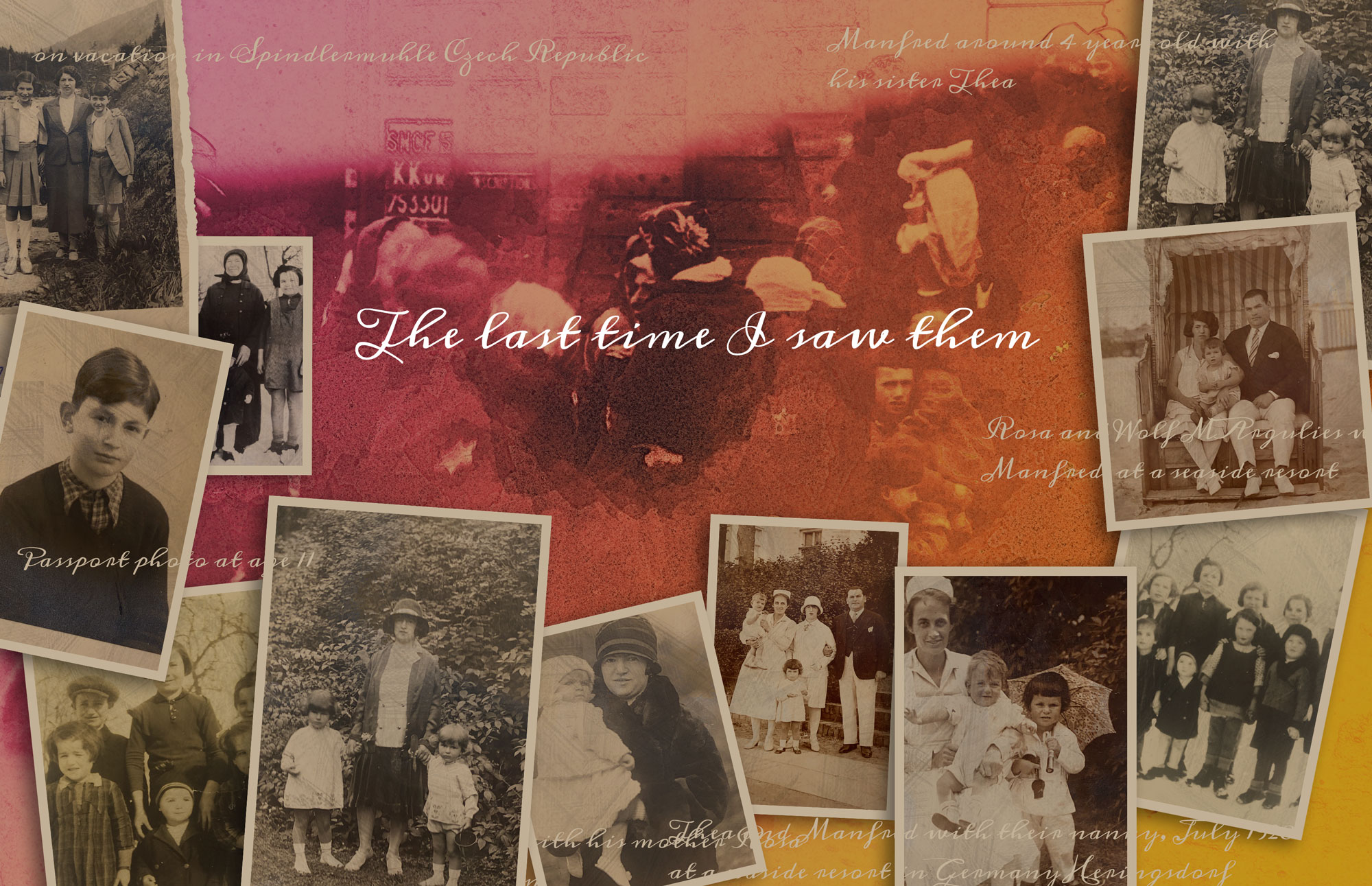
Issue: The Last Time I Saw Them
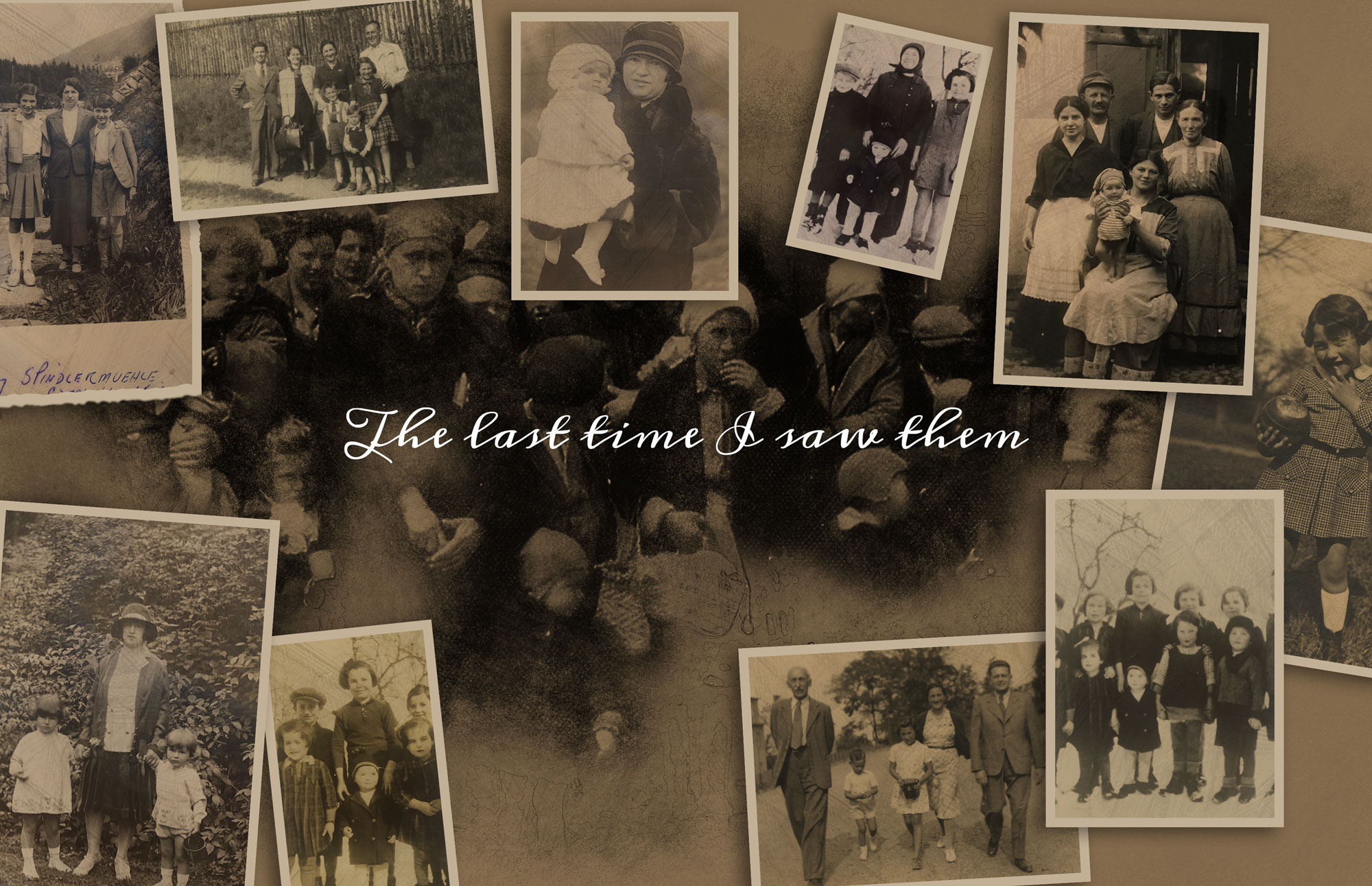
An interdisciplinary issue reflecting on historical memory, family separation, racism, migration, and trauma through essays connecting past histories of violence and displacement with contemporary political and ethical questions.
Category: The Last Time I Saw Them
An interdisciplinary issue reflecting on historical memory, family separation, racism, migration, and trauma through essays connecting past histories of violence and displacement with contemporary political and ethical questions.
A conversation between Irena Grudzińska-Gross and Dwayne Betts 9 December 2020moderated by Jeffrey Goldfarbintroduced by Marci Shoreorganized by Lala Pop Marci: As you know, the original impetus for this forum was horror of the children being taken away from their parents at the American border, and my saying to Stephen Naron that we should use material from the Fortunoff archive to prepare a film about parent-child separation during …
How local meanings mattered in 1900 and still matter now In the spring of 2020, I received an email from David Kenley asking me if I would consider contributing to Teaching about Asia in a Time of Pandemic, a book he was editing. I told the historian of China and Southeast Asia that I would like to be part of the project but did not have anything to …
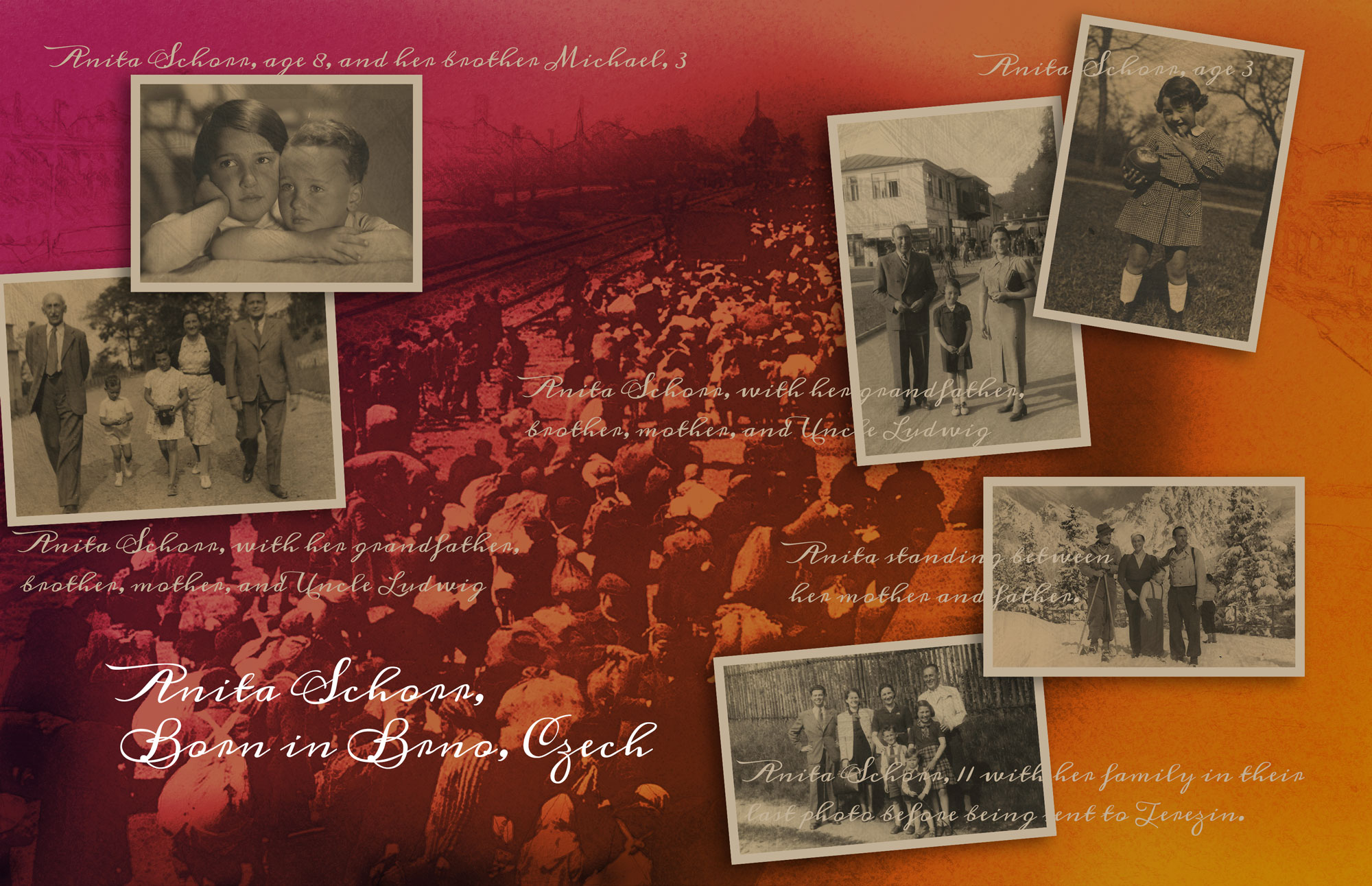
The Nazis tore apart Jewish families. They pursued the work of separating families because they perceived Jewish lives as having no value, and their family unit as carrying no integrity and sanctity. The history of family separation is a story of unspeakable emotional pain, as family members often bid a permanent farewell to their loved ones in confusing and terrifying circumstances. It is also a story that sheds …
I am a first-year teacher at a middle school outside of Baltimore. My school is one of the most diverse – and therefore most low income, underrepresented, and overpoliced – schools in my county. Many parents in this Baltimore district use false addresses just to remove their children from the city school system, and our middle school is a close option. It’s not hard to understand why the children in …
The only avenue in which humans can understand tragedy One of the hardest things about learning the stories of people who were in concentration camps in the Holocaust is that you feel like, especially for an American teenager, that you can never truly grasp what they went through. Even though I have family who were killed in the Holocaust, there always seemed to be a disconnect for me, …
It is an old black and white, grainy photo of a small child, maybe a year old, perhaps even less. It is hard to tell because the face is very serious. His dark eyes are not looking into the camera, but downwards, towards hands neatly folded on the breast. The child doesn’t smile, his lips are pressed together. The expression on his face is worried, grown-up somehow. He …
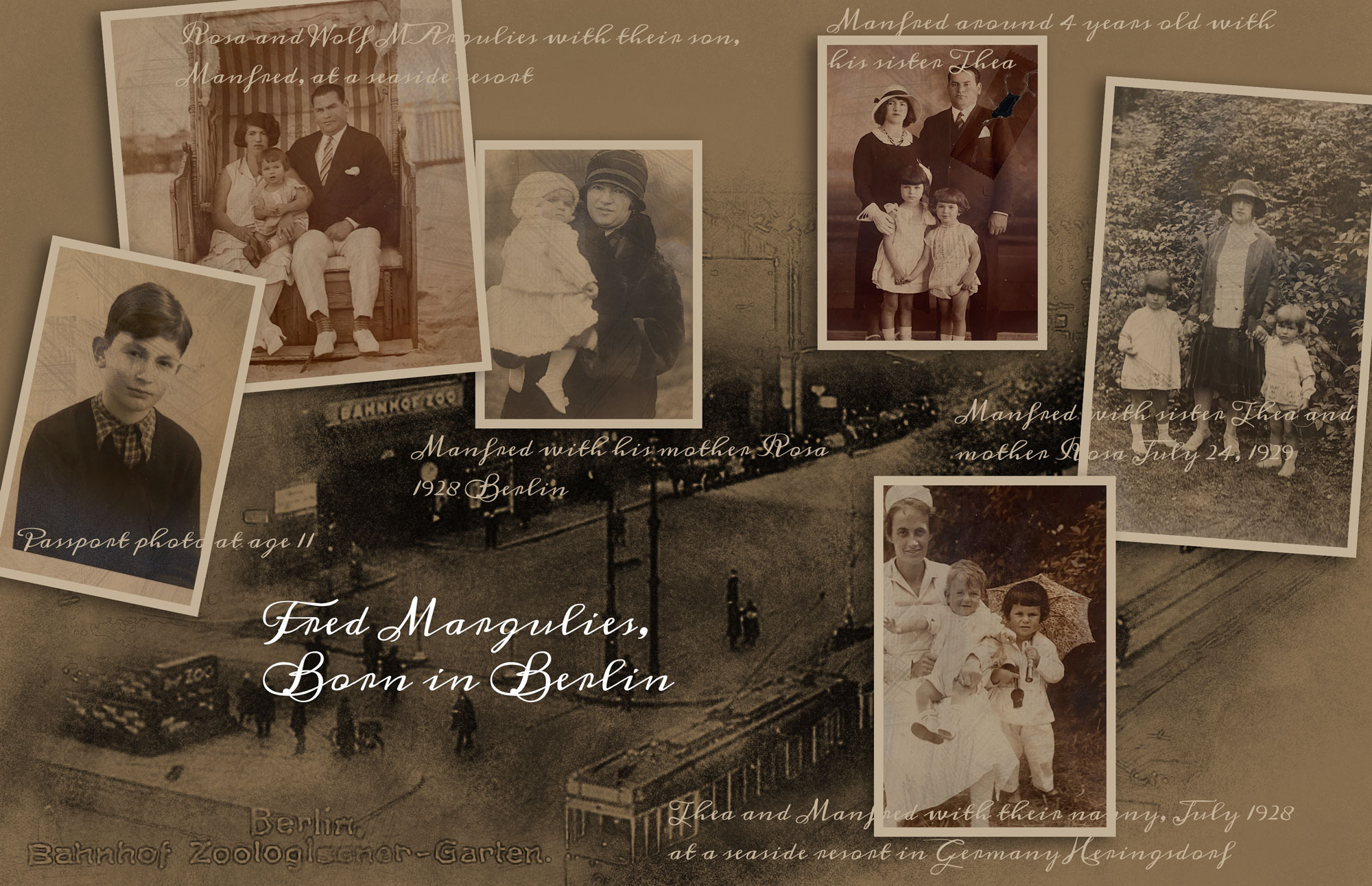
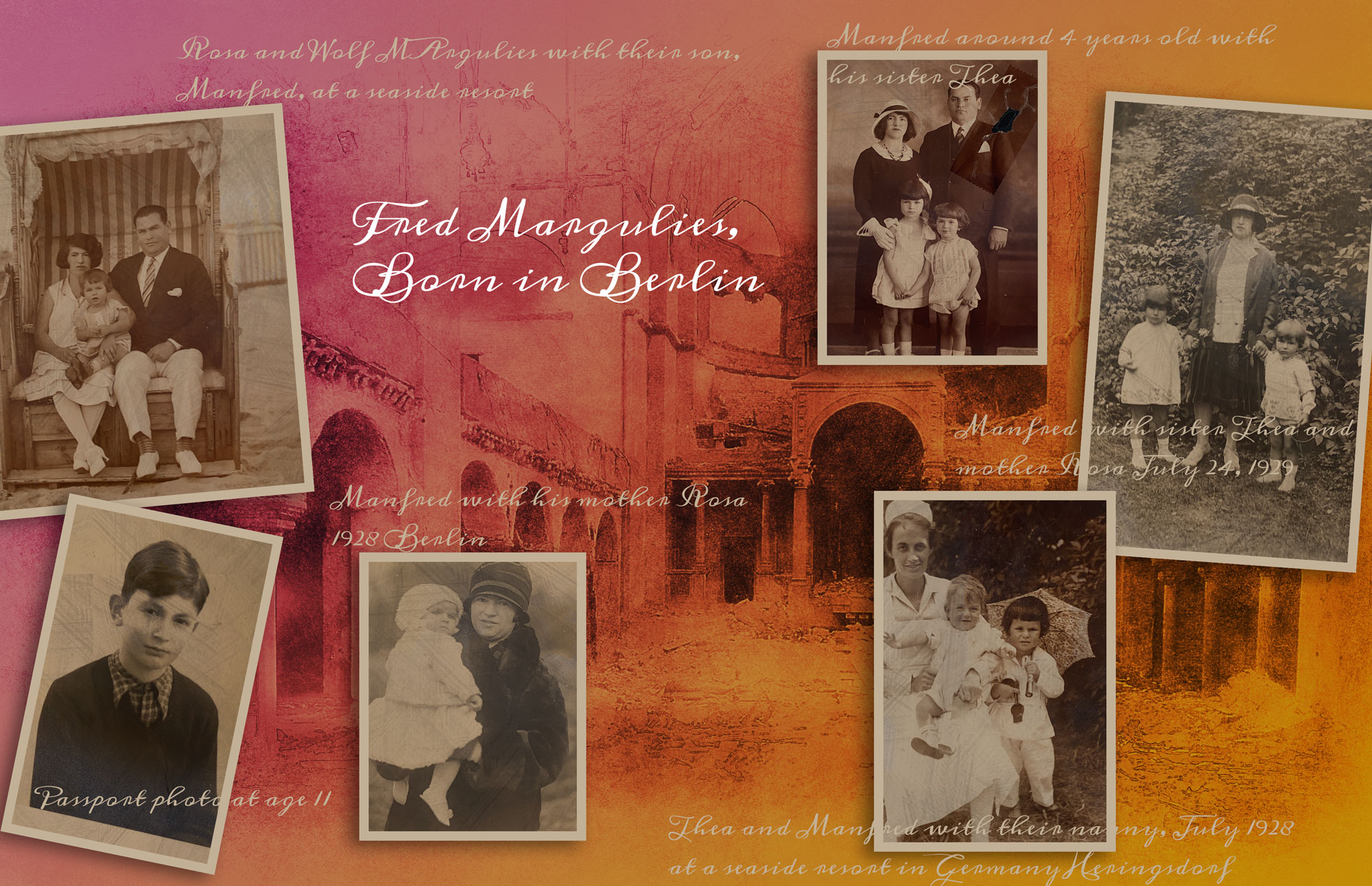
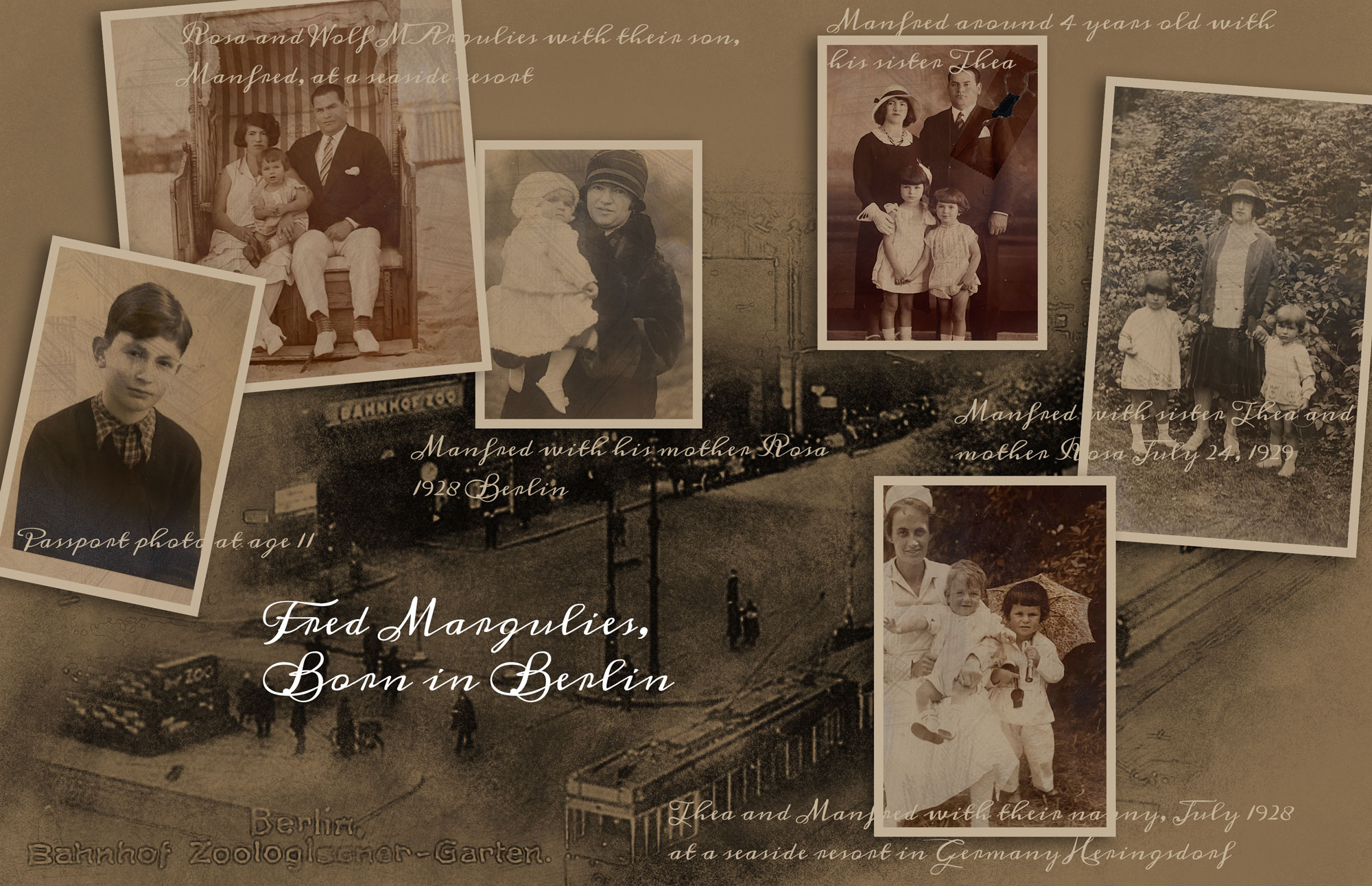
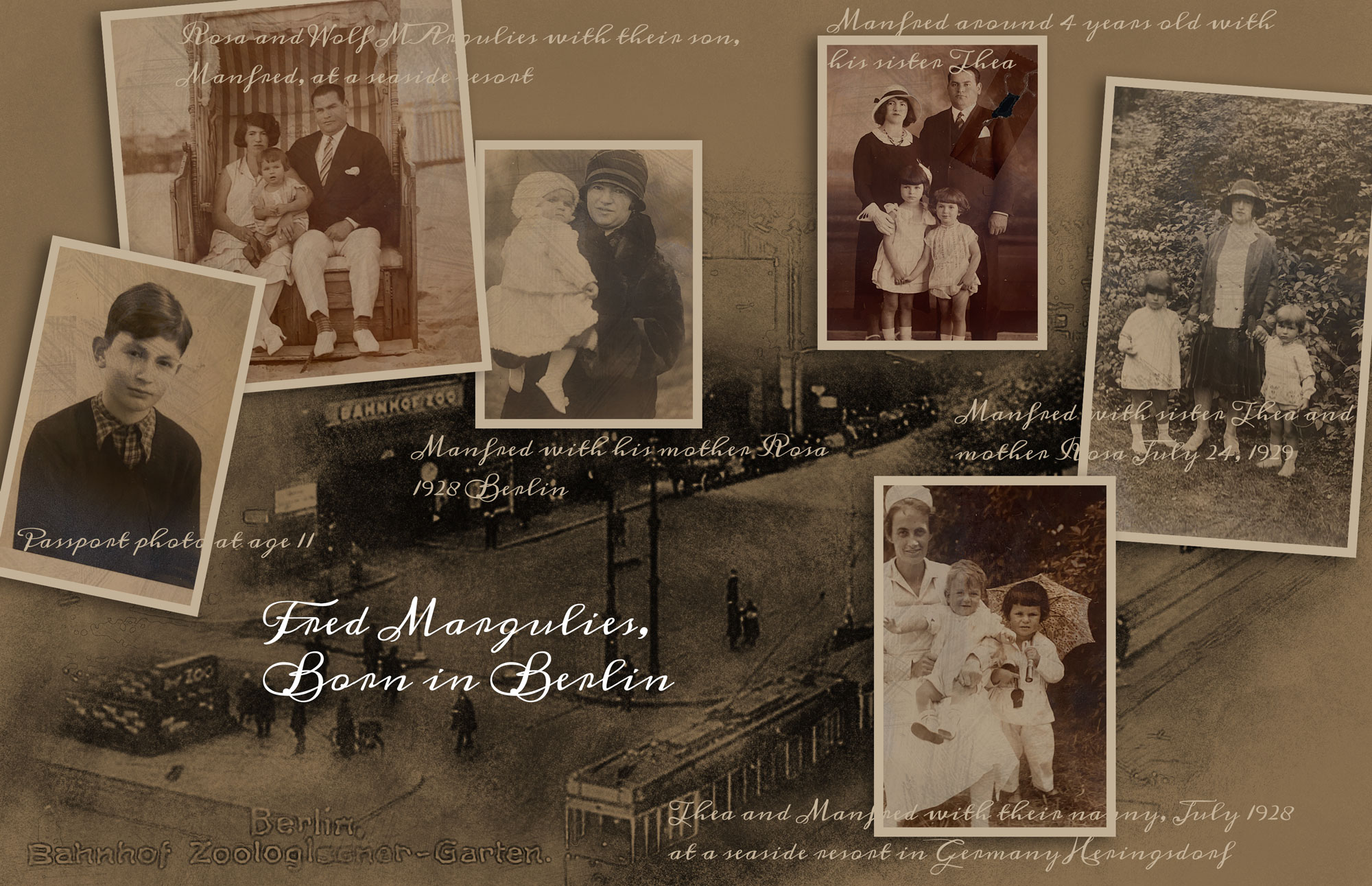
A documentary poem reacting to a film about the separation of children from their parents in Nazi camps The poem in Romanian follows the English text. The child Fred is told by his mother: “You must not look back.”And he did not look back – and he survived – and his mother did not.Orpheus was not as strong you were, Fred – he looked back, the poor thing.On …
After I had seen the film once, and then once more, I was overcome with a sadness, a deep sadness that settled over me like a mist. The next morning, I was drawn to a sentence in Hemingway’s A Moveable Feast. In Paris in the 1920s, Hemingway has returned from the bookstore run by the lovely Sylvia Beach, who is very nice to him, letting him borrow books …
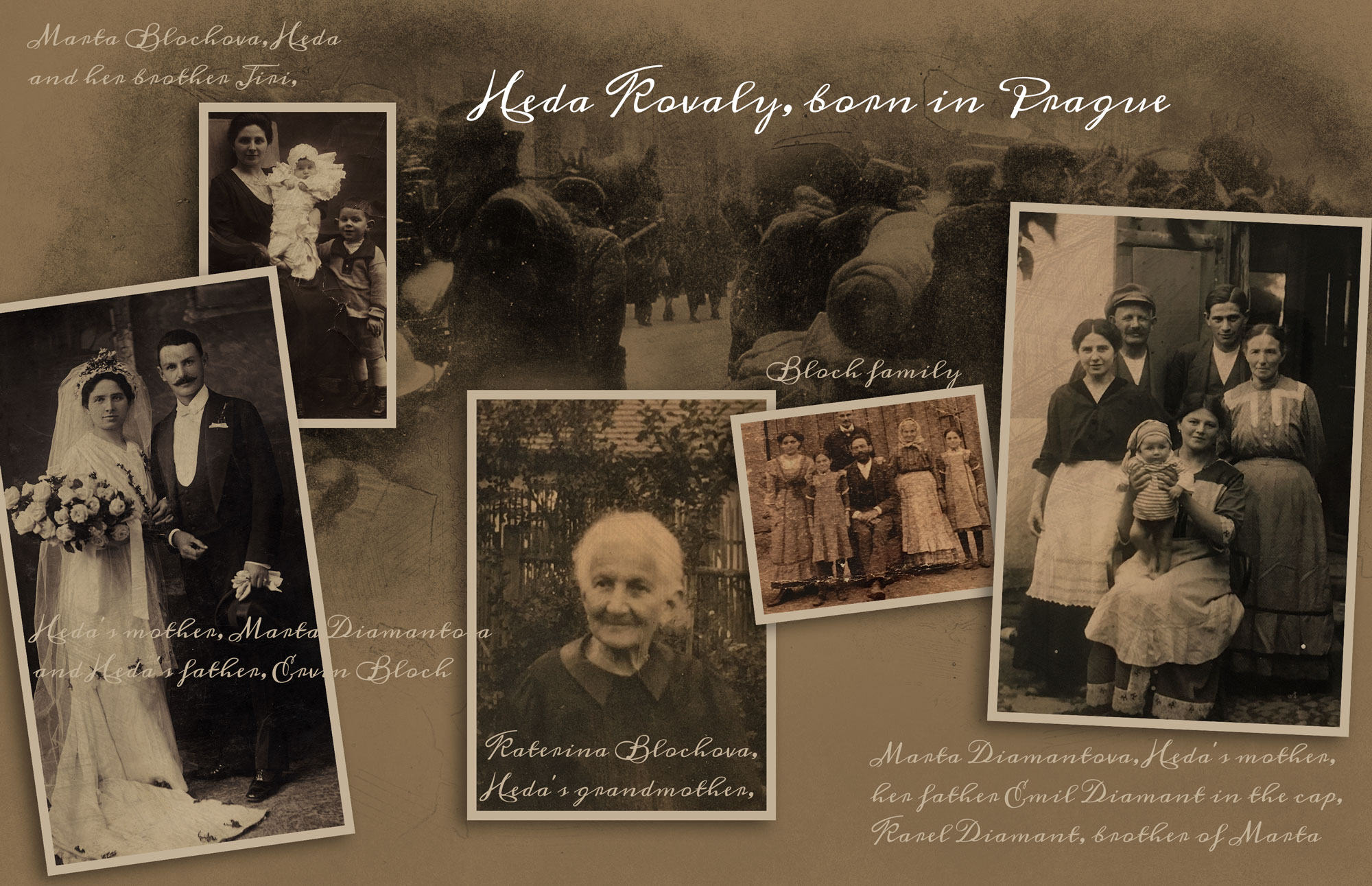
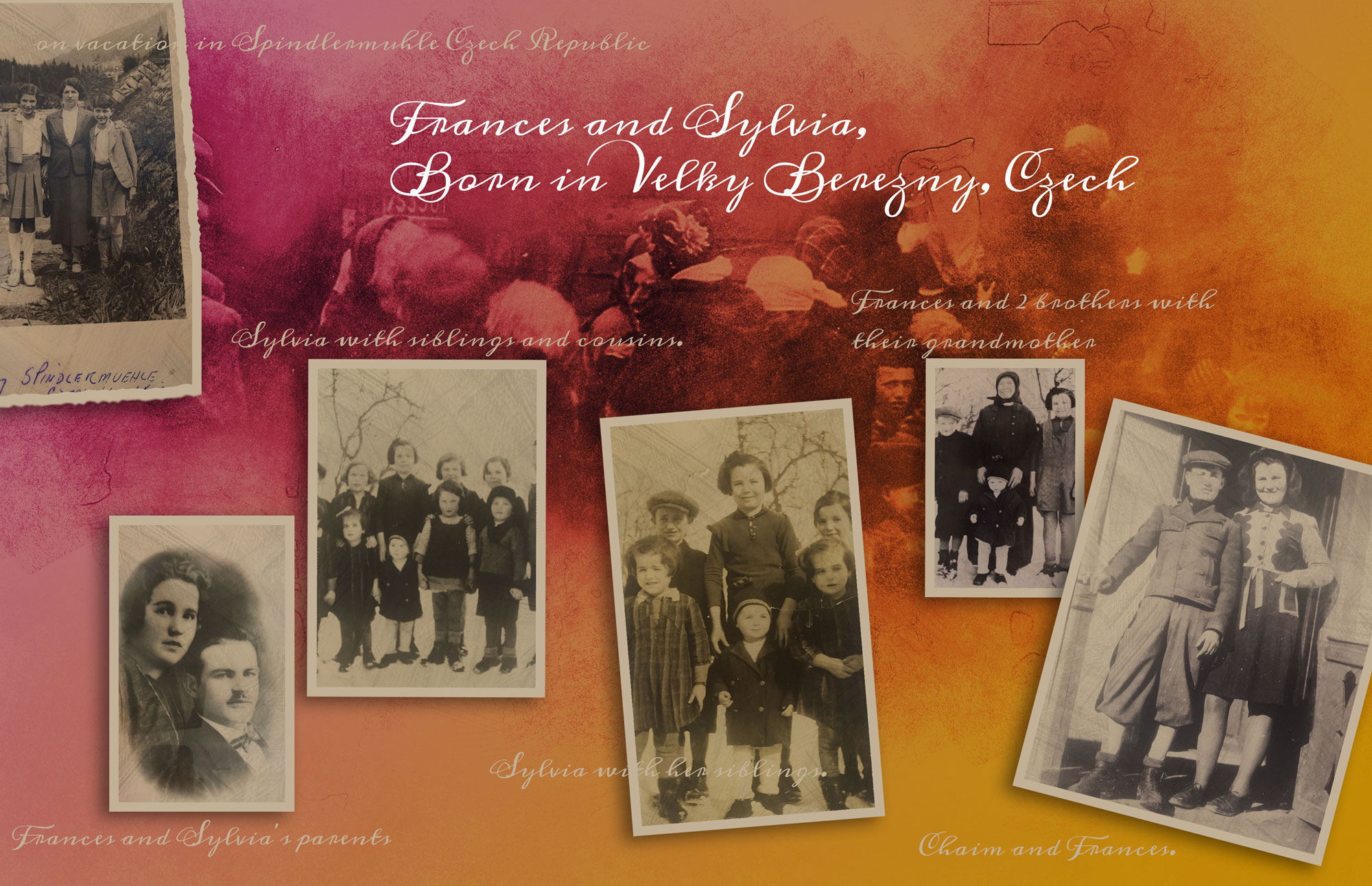
Growing up, my sister and I often retained the same posture in our photos. She stood on the left side and nuzzled me up to her chest with her right hand. We used to spend every summer together at our grandparents’ apartment in Hefei, a wet, fragile city in southeastern China. I thought of her as I watched Sylvia and Frances – throughout their testimony, they couldn’t help …
Six thoughts about engaging with a post-historical past (1) “History” as an academic discipline – and I am trying to articulate a possible vanishing point of Reinhart Koselleck’s life work here – “History” as a discipline would never have come into being without the existence of the “historical world view” as a specific social construction of temporality (we can call it a specific “chronotope”) with its own relationship …