A collaboration with The New School & the European Democracy Institute
Issue: The Last Time I Saw Them
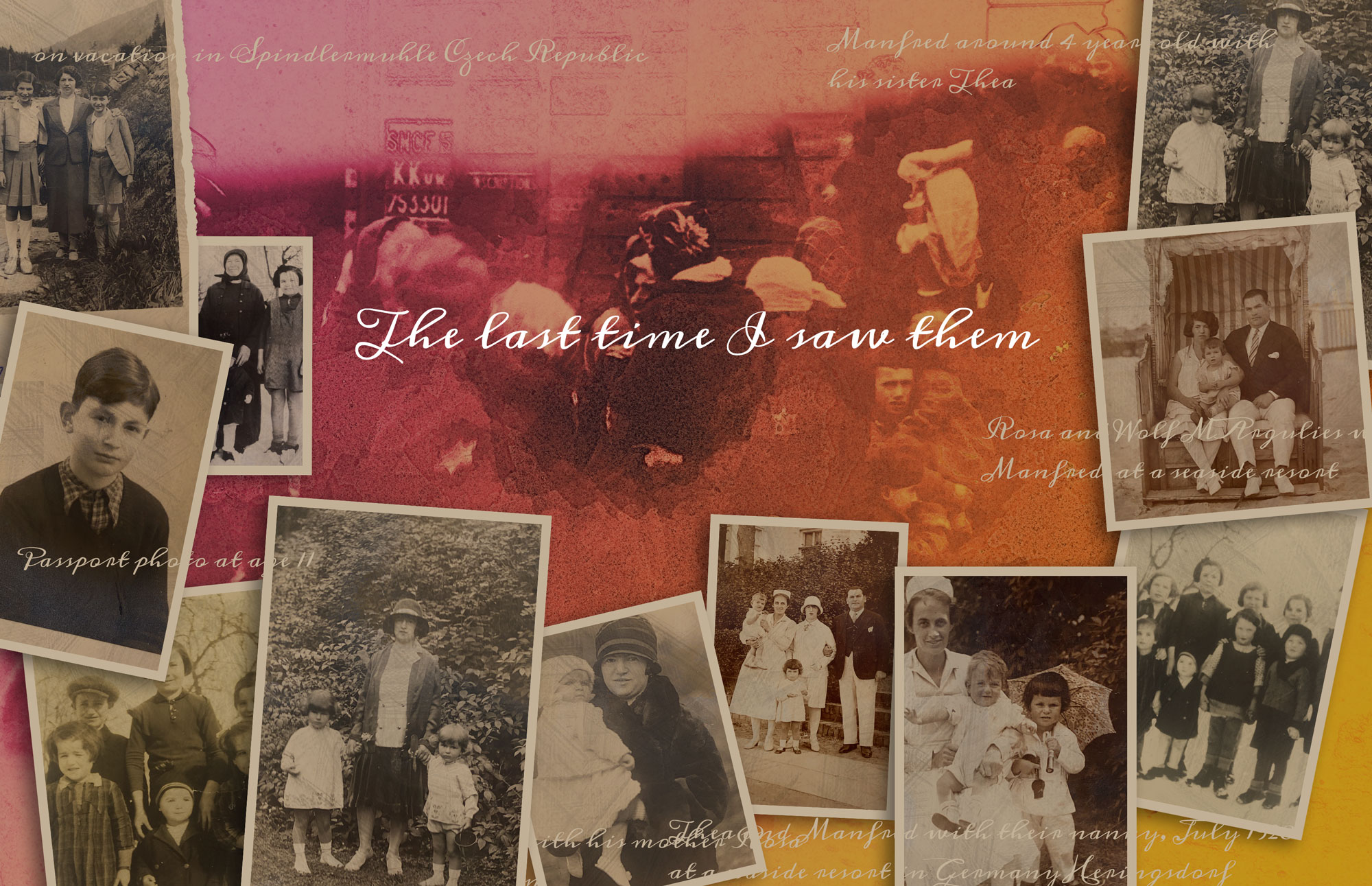
An interdisciplinary issue reflecting on historical memory, family separation, racism, migration, and trauma through essays connecting past histories of violence and displacement with contemporary political and ethical questions.
Category: The Last Time I Saw Them
An interdisciplinary issue reflecting on historical memory, family separation, racism, migration, and trauma through essays connecting past histories of violence and displacement with contemporary political and ethical questions.
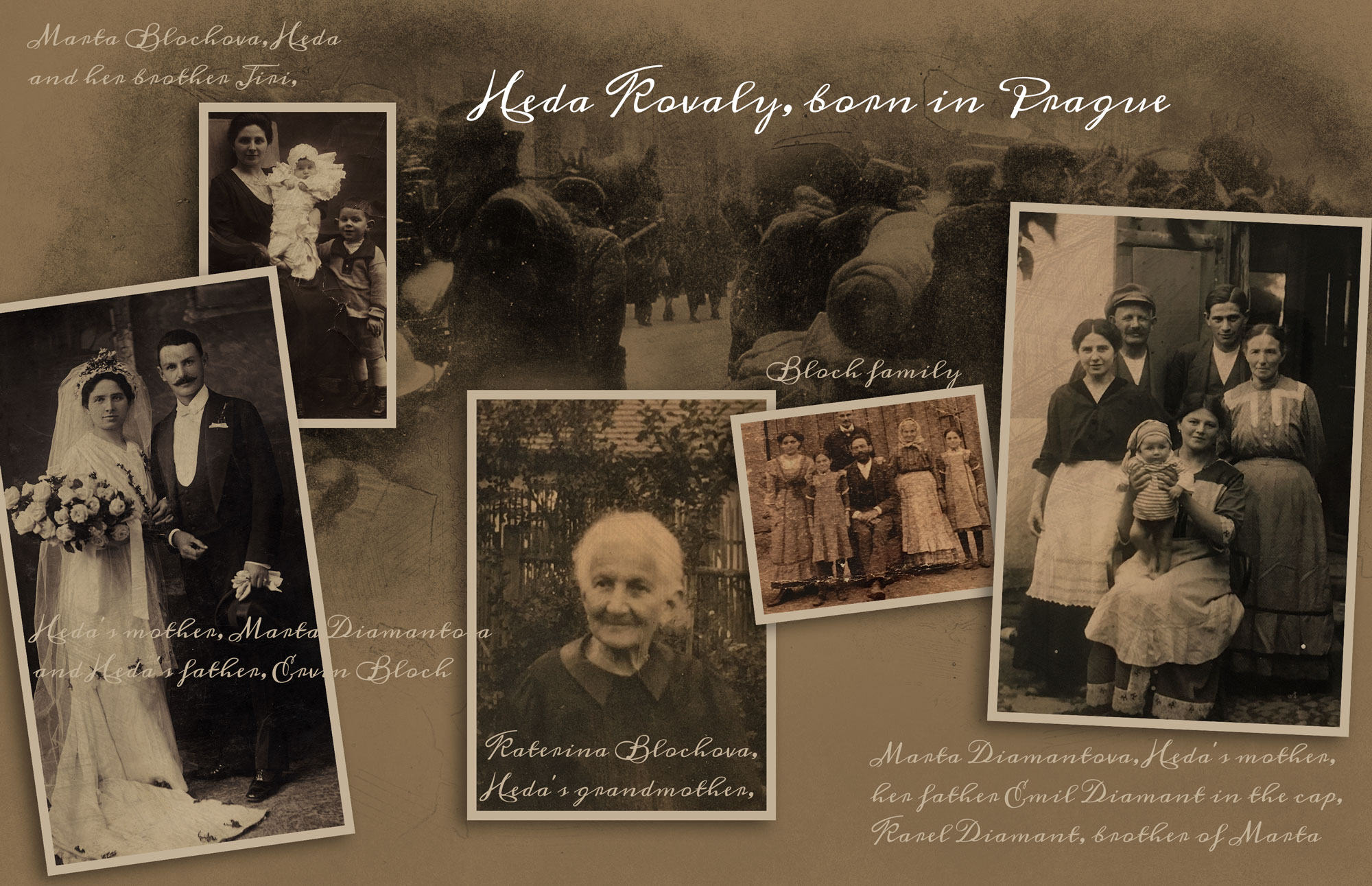
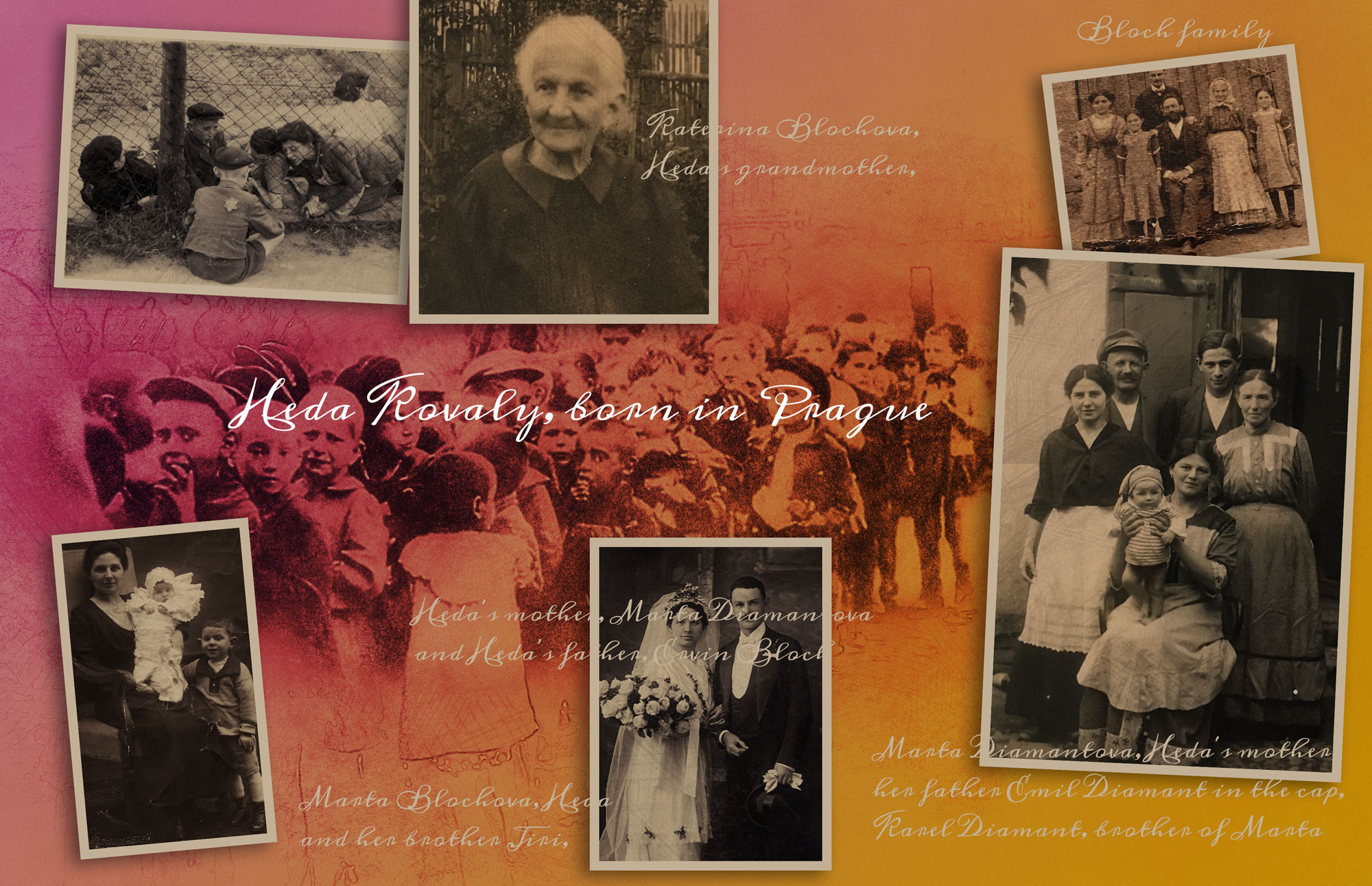
Judaism’s view of – and response to – family separation as theological crisis ב”ה Heda Kovaly’s memory of the day in spring 1941 when she was sent to the Gross-Rosen labor camp focused on an evanescent memento of her murdered mother: “My mother, I couldn’t think of anything except my mother, my mama, and I remember sitting on the ground and held out my hand, and there was …
Witnessing the trauma of child separation If a child is taken from his mother’s care at [the age of two], when he is so possessively and passionately attached to her, it is indeed as if his world has been shattered. His intense need of her is unsatisfied, and the frustration and longing may send him frantic with grief. It takes an exercise of imagination to sense the intensity …
Deserts, hurricanes, and classrooms These testimonies illustrate for me the personal stories of the twentieth century’s most terrifying examples of systemic collapse and failure. While no age is without shabby compromises, we look at the last century because of the scale of the human cost for failures of diplomacy and government. Personally, these stories brought to mind a student, Jonathan, who recently took my college writing class. He’s …
On the uses and disadvantages of historical comparisons for life This new forum engages authors and artists—from very different places and writing in very different genres—in an ongoing conversation on “the uses and disadvantages of historical comparisons for life” (title stolen from Nietzsche). The idea initially arose in response to the American administration’s southern border policy of taking children away from their parents: might this not be a …
Tyrone Chambers II, Krzysztof Czyżewski, Vera Grant, Jeffrey Goldfarb, Dan Shore, Marci Shore 21 September 2020 Edited and abridged by Marci Shore KRZYSZTOF CZYZEWSKI: I’m here in Krasnogruda. It means at the border between Poland, Lithuania, and Belarus, in the northeastern corner of Poland. In my Borderland Centre, which, with my friends, I established 30 years ago, thinking of being more engaged in art, for solidarity with people, …
It is an old black and white, grainy photo of a small child, maybe a year old, perhaps even less. It is hard to tell because the face is very serious. His dark eyes are not looking into the camera, but downwards, towards hands neatly folded on the breast. The child doesn’t smile, his lips are pressed together. The expression on his face is worried, grown-up somehow. He …
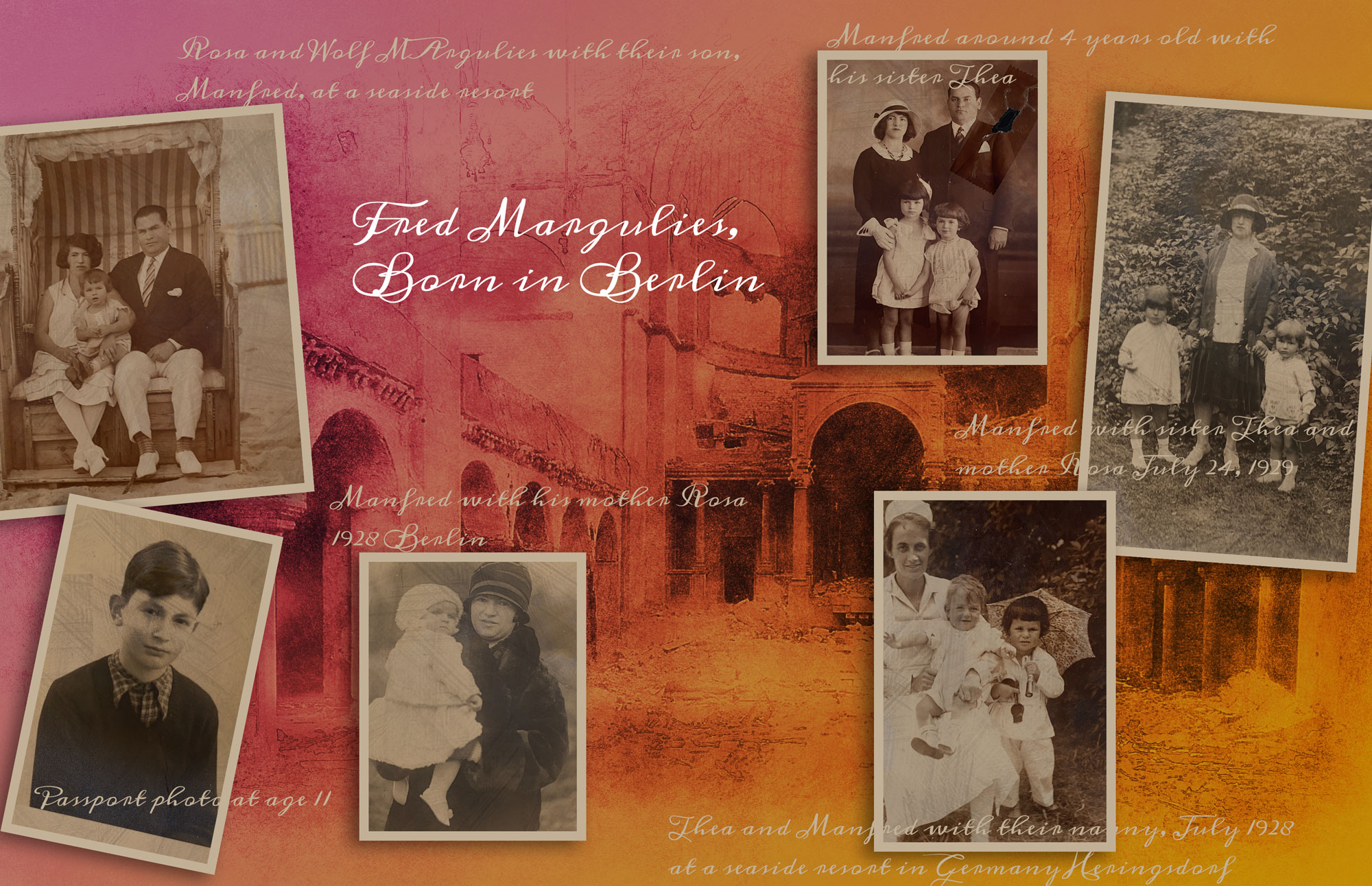
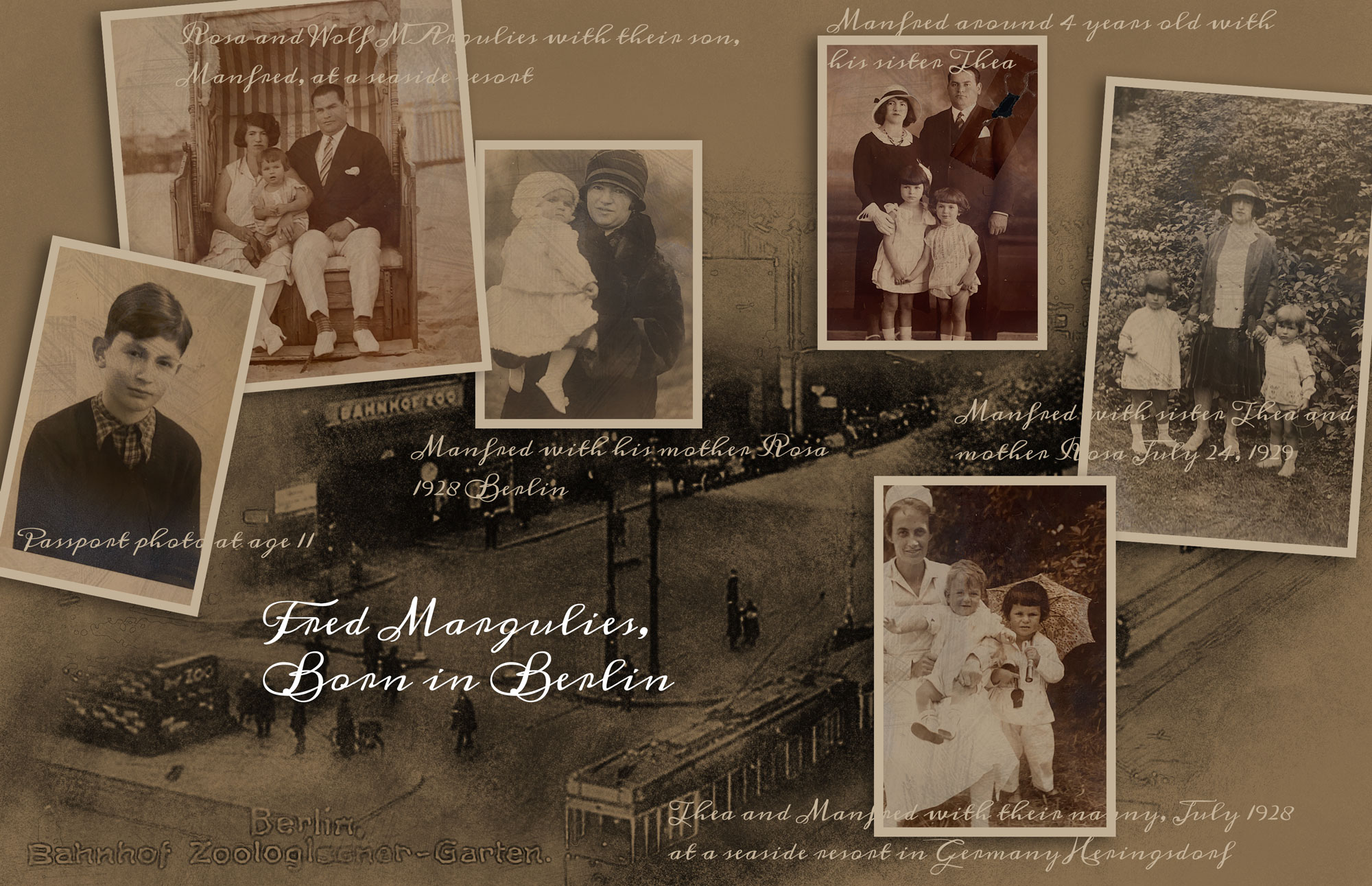
A documentary poem reacting to a film about the separation of children from their parents in Nazi camps The poem in Romanian follows the English text. The child Fred is told by his mother: “You must not look back.”And he did not look back – and he survived – and his mother did not.Orpheus was not as strong you were, Fred – he looked back, the poor thing.On …