

On the surface, the ongoing protests in Albania over a mega-resort for the mega-rich have a feeling of David and Goliath. On the Goliath side you have Jared Kushner (and Co.), backed by Trump (and Co.), backed by Albanian Prime Minister Edi Rama (and Co.), fighting a mix of protestors who are not “a Co.” but a group of people that mostly want a different Albania. The developers have some advantages but no doubt over time it will become clear that this may mark a turning point for Albania that has long been coming. The developers will lose and so will Rama.
But let’s leave aside Ivanka Trump’s fanciful barefoot encounter a la Neil Armstrong on the Moon with Albania as terra incognita in 2024 and talk about what is really at stake.
A little history is required.
It is a mistake though to see the protests as merely about protecting a special environmental zone or offering a vision of Albania that does not align with the Prime Minister’s idea of Albania for the well-heeled with the locals peering through fences hoping to get a glimpse of a tier two or three celebrity. Or to blame Iran, the Greeks, the Russian, Islamists, or anti-Semitism or anti-Americanism, anti-Trumpism or according to Rama, algorithms. The investment crossed a line that changed everything. It was a catalyst. Rama simply went too far. This was long in coming.
The protestors are mostly extremely young and largely born after the collapse of Albanian communist rule in 1991/1992. The never ending transition that they have experienced has been incredibly uneven. Its key feature, and Albania is not alone in this problem, is population flight: people have unsurprisingly looked for better opportunities elsewhere. 15% of the population has left. Nobody governing in Tirana has made much effort to do anything about it. Some seem to like this arrangement because of the remittances sent home and, as with Orbán in Hungary, the removal of potential trouble-makers is also welcome.
Plus, and this is a Hungarian story too, the incredible political longevity of the Balkan strongmen rulers who dominated the scene in Albania (and elsewhere) is front and center. This is the Groundhog Day dilemma. An ordinary Albanian turns on the television only to see again that the two principal figures of Albania have remained the same for decades: Democratic Party leader Sali Berisha and Socialist Party leader Rama permanently locked in a struggle for the soul of Albania while people pack their bags and their parents weep at Mother Teresa International Airport.
What this means is simple: Albania has yet to create a new political class. Albania has technically never had a real post-communist leader – someone whose main experience does not derive from the dog-eat-dog world of Albanian communism that provides a world view that simply does not die. This is why people are fed up and they actually want a revolution but this time a real one. You cannot really blame them. They are calling for Rama to leave; yet nobody wants Berisha back! Berisha’s return is a near nightmare for almost everyone short of his loyal coterie of militants. The presence of these two fossils denies people a future.
Think of it this way. Berisha was born in 1944 and Rama in 1964. Both are products of the same horrible system and neither can truly shake it. If you take Napoleon’s adage that to know a person you need to know their world at 20 years of age, then you get it. Albania in 1964 and 1984. Hardly inspirational times although Berisha bore the brunt of the oppressive state and Rama watched as Albania’s communists turned democrats (or social democrats) burn the place down while taking enormous profits with them.
How is this possible? While less true for Rama, but certainly true for Berisha, the creation of a modern political party was simply beyond their reach. Neither could shake a party-state ethos. These two Balkan strong men know how to shake off challengers. That is learned behavior. In this context, the accusations of egregious corruption or running a mafia state leveled against both men become almost irrelevant in the context of Albania’s current predicament. Oddly though, as poisoned as their relationship it is, they need each other desperately. Indeed, Rama’s political longevity is largely owed to Berisha’s refusal to head quietly into retirement.
In concrete terms what does all this mean? Alongside the wound of emigration, which causes enormous despair to so many people, Albanians are coping with various problems that have persisted since the 1990s. Health and other infrastructure is collapsing all the while the Prime Minister engages in a variety of vanity projects. VAT on food is hurting people and electoral reform is a dead letter. Rama’s tone sounds increasingly sanctimonious and dismissive. There are “files” circulating that suggest that Rama plans to turn Albania into a massive luxury resort. Mussolini had the same dream.
Most Albanians do not buy into the dream of working in the new resort which they fear in any case will be staffed by labor found elsewhere. It is a fair question whom these developments will actually serve. Ever the salesman, Rama shamelessly oversold it as transformative. But can a tourist resort ever be transformative?
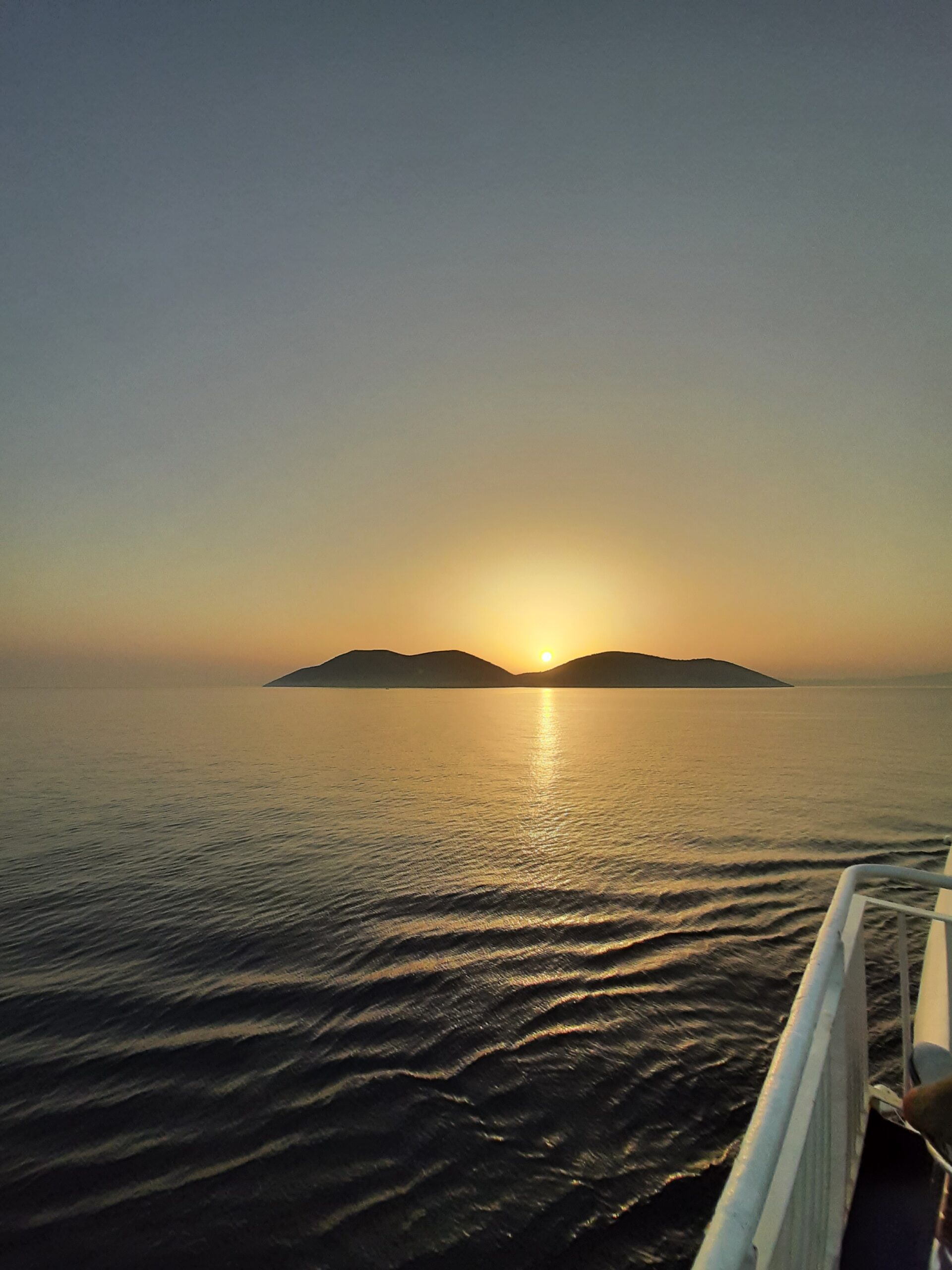
The issues around the investment also have antecedents. While Sazan Island, once part of Italy but handed to Albania after the second world war, is a former communist military base that is now public property, is easier to deal with as there is nobody there. Zvërnec and the protected area is not state owned. It shows the legacy of the highly contested property rights that followed communism’s collapse when Albania faced a real conundrum as to what to do with the pre-second world war owners. Albania was feudal after all before the communist takeover in 1944.
And now it comes back to haunt the government. Successive governments, often through what some say are shady deals, with allegedly even shadier people, maybe pliant judges and some murky deaths, have tried to deal with these issues. They are back. In a country of extremely low institutional trust, the most trusted institution, the Special Structure Against Corruption and Organized Crime (SPAK) has opened some files related to the planned investment.
Is this a turning point? Hard to say. Albania has seen many moments when a third force is about to overturn a system that sustains the two main parties. But until now they have always fizzled out due to the resources of Democrats and Socialists who eventually co-opt or hijack their opponents, or simply shut them down. The Mjaft (Enough) movement of Erion Veliaj and others in the early 2000s is a striking example. Veliaj became the darling of the Socialist Party, innovative mayor of Tirana, boon to Tirana’s high-rise developers, heir apparent to Rama and now in jail facing corruption charges.
Rama, in a perpetual Cicero-mode, has been a great advocate for solving Albania’s twentieth and twenty-first century dilemma – making Europe and then the European Union (EU) believe that the Albanians are Europeans and finally freeing Albania from its place on the periphery. He is a great PR man. He has rightly called for the EU to have a Helmut Kohl moment and make good on its promises to the Western Balkan pseudo-democracies by completing the enlargement process. He wants a united states of Europe as the only option for Albania. But therein lies the problem for Rama – he is dated. Albanians are the most enthusiastic supporters of the EU in the region so many know that only Albania’s first truly post-communist leader can deliver a different vision and finally shake the weight of the past.